Quick Facts
Czech Republic At A Glance
Gothic spires, medieval squares, hilltop castles and centuries of history. The Czech Republic combines architectural beauty, rich cultural traditions and some of Europe’s most enchanting cities.
Understanding The Czech Republic
Located in the heart of Central Europe, the Czech Republic is a country where history feels woven into everyday life.
For centuries, kings, emperors, merchants and artists helped shape the towns and cities that visitors explore today. The result is a landscape filled with medieval squares, Gothic churches, Renaissance palaces and baroque architecture.
While Prague often steals the spotlight, the Czech Republic offers much more than its famous capital. Beyond the city lie fairy-tale towns, rolling countryside, spa resorts, castles and national parks.
Best Areas To Explore
Prague
The capital is one of Europe’s most beautiful cities.
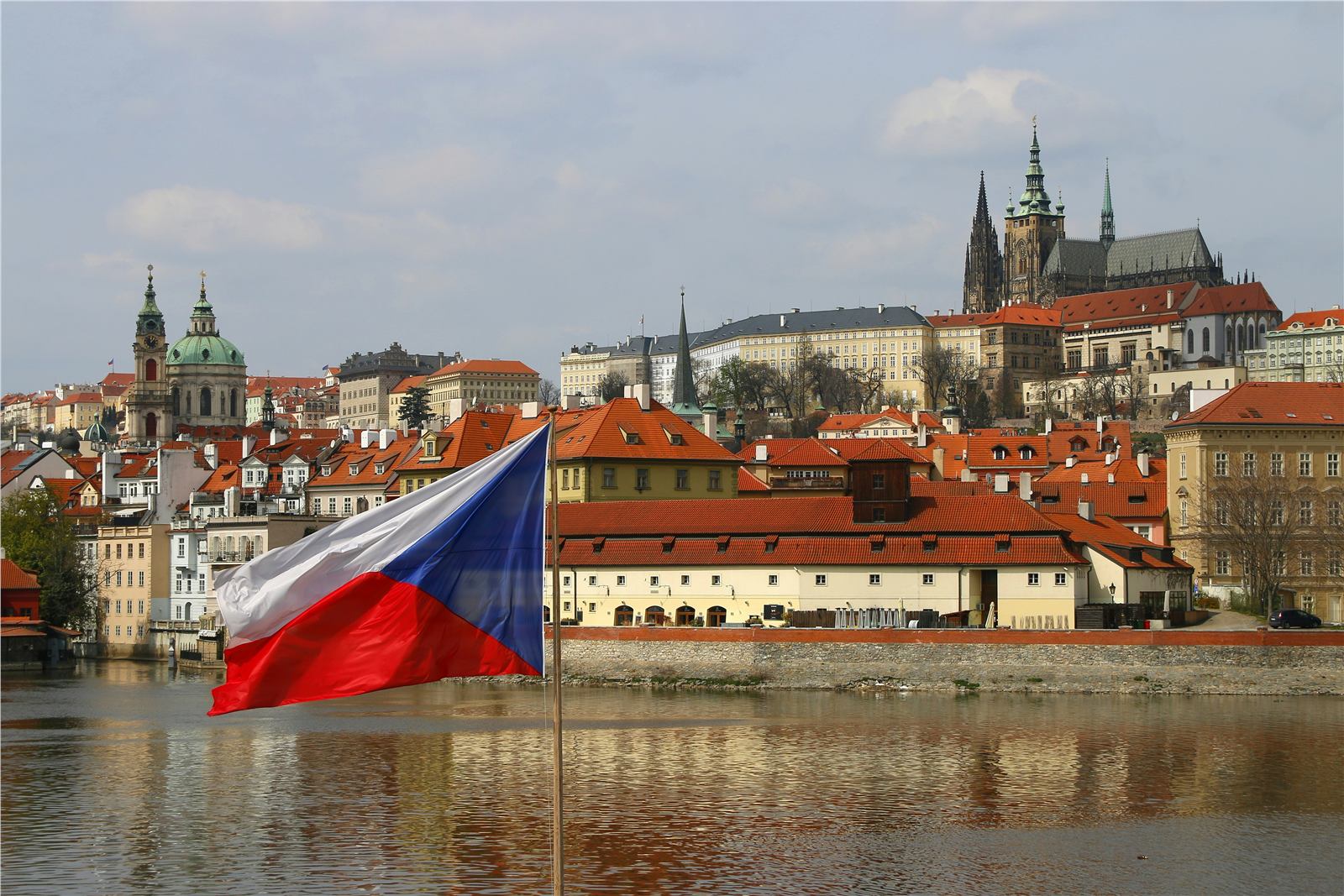
Built along the Vltava River, Prague is famous for Gothic spires, colourful rooftops, historic squares and a spectacular skyline.
Visitors can explore Prague Castle, Charles Bridge, Old Town Square and the famous Astronomical Clock, while simply wandering the city’s streets often becomes one of the highlights of any visit.
Cesky Krumlov
Few places in Europe look as though they belong in a storybook quite like Cesky Krumlov.
The town curves around a bend in the Vltava River beneath a magnificent castle, creating one of the most picturesque settings in Central Europe.
Karlovy Vary
Known for its thermal springs and elegant architecture, Karlovy Vary has been attracting visitors for centuries.
Grand colonnades, beautiful hotels and forested hills create a refined atmosphere that reflects its history as one of Europe’s most famous spa towns.
Kutna Hora
Once one of the richest cities in the Kingdom of Bohemia, Kutna Hora played a major role in European history thanks to its silver mines.
Today, visitors come to admire its impressive Gothic architecture and the famous Sedlec Ossuary, often known as the Bone Church.
Bohemian Switzerland National Park
Located near the German border, this national park offers a completely different side of the Czech Republic.
Sandstone cliffs, forested valleys, scenic viewpoints and natural rock formations make it one of the country’s most spectacular outdoor destinations.
Food & Drink
Czech cuisine is hearty, comforting and closely connected to the country’s history and traditions.
One of the most famous dishes is svickova (beef with vegetable cream sauce and bread dumplings). Another local favourite is goulash (warming stew), often accompanied by dumplings.
No discussion of Czech food culture would be complete without mentioning beer. Brewing traditions stretch back centuries, and beer remains an important part of social life and cultural identity.
Local Culture
The Czech Republic has a rich cultural heritage shaped by literature, music, architecture and craftsmanship.
The country gave the world figures such as Franz Kafka, Antonin Dvorak and Alphonse Mucha, whose influence can still be felt today.
Visitors often notice the strong cafe culture, particularly in Prague, where historic cafes have long served as gathering places for artists, writers and intellectuals.
Quick Facts
| Detail | Czech Republic |
|---|---|
| Capital | Prague |
| Population | Approximately 11 million |
| Currency | Czech Koruna (CZK) |
| Language | Czech |
| Time Zone | GMT+1 |
| Known For | Prague, castles, beer and medieval architecture |
| Airport | Vaclav Havel Airport Prague |
| Best Time to Visit | May-June and September-October |
| Visa | The Czech Republic is part of the Schengen Area |