Quick Facts
Belarus At A Glance
Wide boulevards, medieval castles, ancient forests and a fascinating mix of Eastern European influences. Belarus remains one of the continent’s least-visited countries, offering a different perspective on the region’s history, culture and landscapes.
Understanding Belarus
Located between Poland, Lithuania, Latvia, Russia and Ukraine, Belarus sits at the crossroads of Eastern Europe.
For centuries, the territory formed part of different states and empires, including the Grand Duchy of Lithuania, the Polish-Lithuanian Commonwealth, the Russian Empire and the Soviet Union. These influences have left their mark on the country’s architecture, traditions and cultural identity.
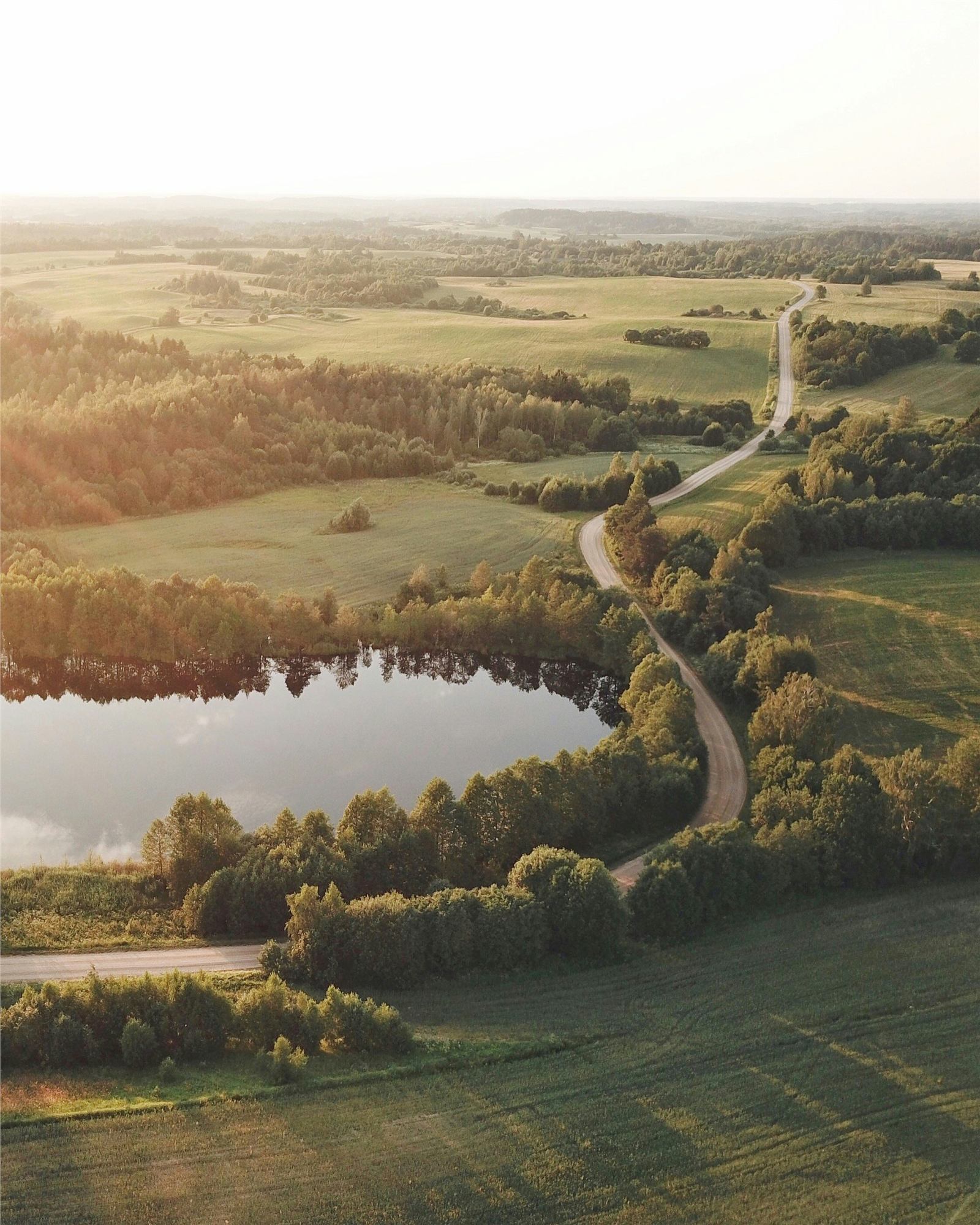
Today, Belarus is often associated with its Soviet-era heritage, particularly in the capital, Minsk. Yet beyond its wide avenues and monumental buildings lie medieval castles, rural villages, Orthodox churches and some of Europe’s largest remaining forests.
Travel Information
Before planning a trip, travellers should be aware that official travel advice for Belarus can change due to political tensions, security concerns and regional instability.
Travel regulations, visa requirements and transportation options can also change with little notice, so visitors should check the latest official guidance from their government before making plans.
Best Areas To Explore
Minsk
Belarus’s capital is often the first surprise for visitors.
Rebuilt after the Second World War, Minsk is known for its broad boulevards, impressive Soviet architecture, large public squares and green parks.
The city offers museums, cafes, theatres and a growing food scene, while its clean streets and spacious layout create a very different atmosphere from many European capitals.
Mir Castle
One of Belarus’s most famous landmarks, Mir Castle is a UNESCO World Heritage Site that combines Gothic, Renaissance and Baroque influences.
Surrounded by gardens and a lake, it provides one of the country’s most picturesque settings.
Nesvizh Castle
Another UNESCO-listed site, Nesvizh Castle was once the residence of the powerful Radziwill family.
The palace, gardens and surrounding parklands are among the most beautiful historic attractions in Belarus and showcase the country’s aristocratic past.
Belovezhskaya Pushcha National Park
This ancient forest is one of Europe’s last remaining primeval woodlands.
Shared with neighbouring Poland, it is home to the European bison, the continent’s largest land mammal.
Brest
Located near the Polish border, Brest is known for the impressive Brest Fortress.
The fortress became a symbol of resistance during the Second World War and remains one of the country’s most important historical sites.
Food & Drink
Belarusian cuisine is shaped by the country’s agricultural traditions, forests and cold winters.
One of the most famous dishes is draniki (crispy potato pancakes), often served with sour cream. Another traditional favourite is machanka (rich meat stew), typically served with pancakes for dipping.
The country’s forests also play an important role in local cuisine, contributing mushrooms, berries and seasonal ingredients that appear in many traditional recipes.
Local Culture
Belarusian culture reflects influences from both Eastern and Central Europe while maintaining its own distinct traditions.
Folk music, handicrafts, seasonal festivals and traditional costumes continue to play a role in cultural celebrations, particularly in smaller towns and villages.
Orthodox Christianity is the country’s largest religion, and visitors will encounter churches, monasteries and religious traditions throughout the country.
Quick Facts
| Detail | Belarus |
|---|---|
| Capital | Minsk |
| Population | Approximately 9 million |
| Currency | Belarusian Ruble (BYN) |
| Languages | Belarusian and Russian |
| Time Zone | GMT+3 |
| Known For | Soviet architecture, castles, forests and WWII history |
| Airport | Minsk National Airport |
| Best Time to Visit | May-September |
| Visa | Requirements vary and should be checked before travel |