Quick Facts
Albania At A Glance
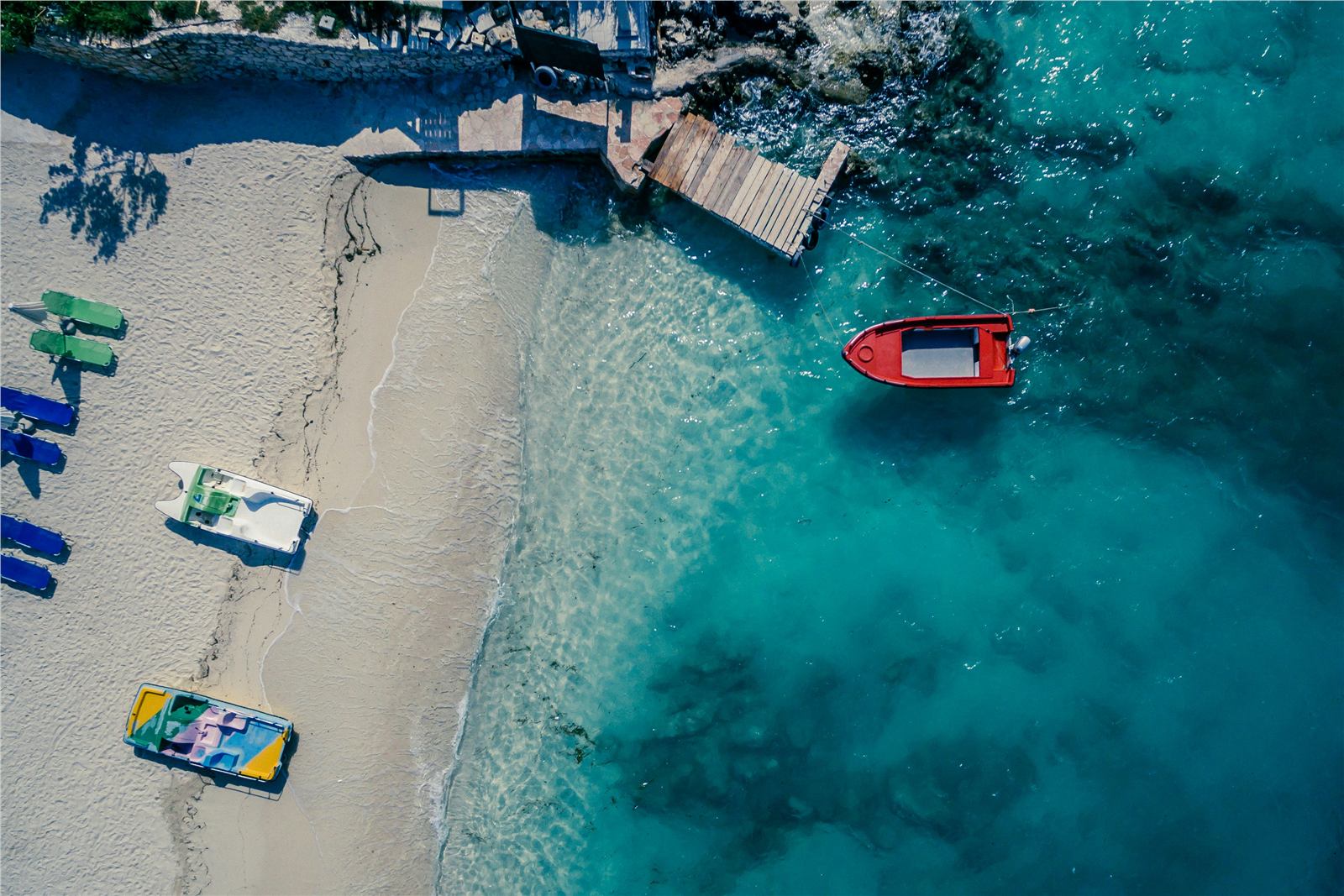
Turquoise beaches, dramatic mountain passes, Ottoman towns and some of Europe’s most welcoming hospitality. Albania remains one of the continent’s most underrated destinations, combining Mediterranean beauty with a sense of discovery that is becoming increasingly rare.
Understanding Albania
Located on the Balkan Peninsula between Montenegro, Kosovo, North Macedonia and Greece, Albania is a country that surprises many first-time visitors.
For decades, Albania remained largely isolated from the outside world under a communist regime. Since opening to tourism, it has gradually become one of Europe’s most exciting emerging destinations.
What makes Albania special is its diversity.
Within a few hours, you can travel from beautiful Mediterranean beaches to rugged mountain villages, from ancient archaeological sites to lively modern cities.
The country has been shaped by Illyrian, Greek, Roman, Byzantine and Ottoman influences, creating a rich cultural heritage visible in its architecture, traditions and cuisine.
While the Albanian Riviera often attracts the headlines, Albania offers far more than beaches. It is a destination where mountain landscapes, historic towns and genuine hospitality remain just as memorable as the coastline.
Best Areas To Explore
Tirana
Albania’s colourful capital is often the starting point for visitors.
Once dominated by communist architecture, Tirana has transformed into one of the Balkans’ most vibrant cities. Colourful buildings, lively cafes, modern restaurants and large public squares create an atmosphere that feels energetic and youthful.
Skanderbeg Square, the Blloku district and the city’s fascinating museums provide excellent introductions to Albania’s recent history and culture.
The Albanian Riviera
The stretch of coastline between Vlora and Saranda is one of the country’s biggest attractions.
Crystal-clear water, hidden coves, dramatic cliffs and small seaside villages create scenery often compared to parts of Greece or Croatia.
Popular stops include Himare, Dhermi and Ksamil, while the spectacular Llogara Pass offers some of the best coastal views in the Balkans.
Berat
Known as the “City of a Thousand Windows,” Berat is one of Albania’s most beautiful historic towns.
Its white Ottoman houses climb the hillside beneath a hilltop castle, creating one of the country’s most iconic views.
A UNESCO World Heritage Site, Berat offers a glimpse into centuries of Albanian history and architecture.
Gjirokaster
Another UNESCO-listed town, Gjirokaster is famous for its stone houses, cobbled streets and imposing castle.
Often called the “Stone City,” it is one of the best places in Albania to experience traditional architecture and local culture.
The surrounding mountains add to its dramatic setting.
The Albanian Alps
Northern Albania offers a completely different side of the country.
Here you’ll find dramatic mountain landscapes, remote villages and some of the Balkans’ most spectacular hiking routes.
The villages of Theth and Valbona have become particularly popular with travellers seeking nature, adventure and authentic rural experiences.
Food & Drink
Albanian cuisine reflects the country’s position between the Mediterranean and the Balkans.
Fresh ingredients play a central role, with vegetables, olive oil, cheese, grilled meats and seafood appearing frequently on local menus.
One of the most traditional dishes is tave kosi (baked lamb, rice and yoghurt), which many consider Albania’s national dish.
Along the coast, freshly caught fish and seafood dominate menus, often served simply to highlight their quality.
Another local favourite is byrek (filled flaky pastry), commonly made with cheese, spinach or meat and enjoyed as a quick breakfast or snack.
Meals in Albania are rarely rushed. Long lunches, shared plates and generous hospitality remain an important part of daily life, particularly outside the major tourist areas.
Local Culture
Hospitality is one of Albania’s defining characteristics.
Visitors often remark on how welcoming and helpful locals can be, particularly in smaller towns and villages.
Family remains central to Albanian life, and many traditions have been preserved despite the country’s rapid modernisation.
The concept of besa (honour, trust and keeping one’s word) continues to hold cultural significance and is frequently cited as an important part of Albanian identity.
Throughout the country, you’ll also encounter a fascinating blend of religious and cultural influences, with mosques, Orthodox churches and Catholic churches often existing side by side.
Quick Facts
| Detail | Albania |
|---|---|
| Capital | Tirana |
| Population | Approximately 2.7 million |
| Currency | Albanian Lek (ALL) |
| Language | Albanian |
| Time Zone | GMT+1 |
| Known For | The Albanian Riviera, Ottoman towns, mountains and hospitality |
| Airport | Tirana International Airport |
| Best Time to Visit | May-June and September-October |
| Visa | Many nationalities can enter visa-free for short stays |
Albania is one of those destinations that still feels like a discovery. While its beaches attract growing attention, its mountain villages, historic towns and welcoming culture are often what visitors remember most long after they return home.