Quick Facts
Andorra At A Glance
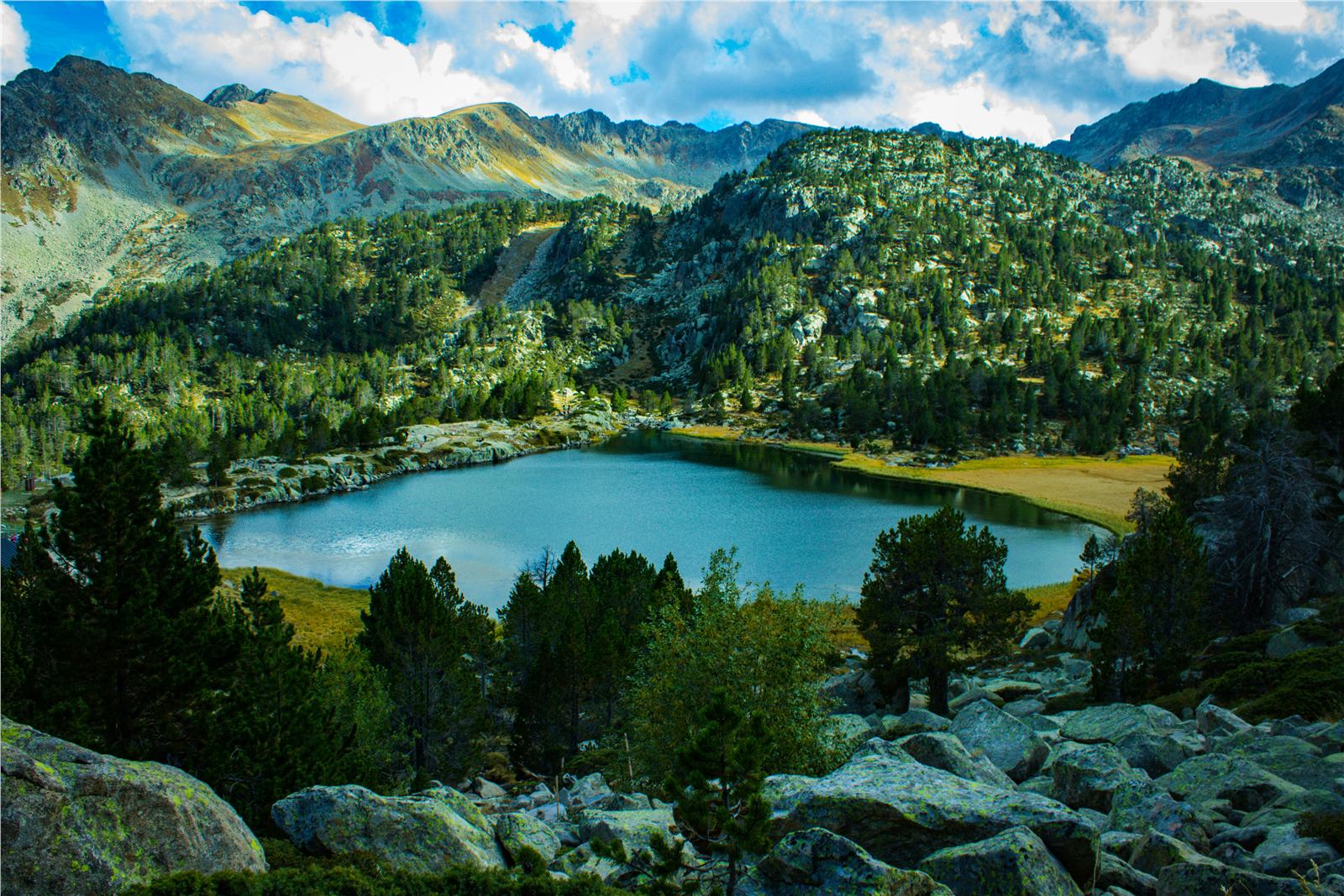
Hidden high in the Pyrenees between Spain and France, Andorra combines dramatic mountain scenery, charming stone villages, world-class skiing and some of the most beautiful hiking trails in Europe.
Understanding Andorra
Tucked between Spain and France in the heart of the Pyrenees, Andorra is one of Europe’s smallest countries and one of its most surprising.
Although many travellers know it primarily as a ski destination, Andorra offers much more than winter sports. Towering peaks, alpine lakes, mountain valleys and centuries-old villages create a landscape that feels worlds away from the busy cities of southern Europe.
During summer, the country transforms into a paradise for hikers, cyclists and nature lovers, while winter brings snow-covered mountains and some of the best ski resorts in the region.
Despite its small size, Andorra has preserved a distinct identity, shaped by Catalan culture, mountain traditions and centuries of independence.
Best Areas To Explore
Andorra la Vella
The capital sits in a valley surrounded by mountains, creating one of the most scenic capital cities in Europe.
Its historic centre features narrow streets, stone buildings and traditional churches, while modern shopping areas, cafes and restaurants give the city a lively atmosphere.
Ordino
Often considered one of Andorra’s most beautiful villages, Ordino offers a glimpse into the country’s traditional character.
Stone houses, quiet streets and mountain views create an atmosphere that feels untouched by time, while the surrounding valleys provide access to some of Andorra’s most rewarding hiking routes.
Vall de Sorteny Natural Park
Nature lovers should not miss Vall de Sorteny.
This protected area is home to alpine meadows, forests, mountain streams and a remarkable variety of plant species. The scenery changes dramatically throughout the seasons.
Grandvalira
Grandvalira is the largest ski area in the Pyrenees and one of the main reasons many travellers visit Andorra during winter.
In summer, the same mountains become a playground for hikers, mountain bikers and outdoor enthusiasts.
Madriu-Perafita-Claror Valley
This UNESCO World Heritage Site is one of Andorra’s greatest treasures.
Accessible mainly on foot, the valley contains traditional shepherd huts, ancient pathways and untouched mountain landscapes that reveal how life in the Pyrenees looked for centuries.
Food & Drink
Andorran cuisine reflects its mountain environment and Catalan heritage.
Traditional dishes are hearty, comforting and designed for life in a colder climate. One of the country’s most popular specialities is escudella (rich winter stew), often prepared with meats, vegetables and pasta.
Another local favourite is trinxat (potato, cabbage and pork dish), a simple but delicious recipe from the Pyrenees.
Mountain restaurants often serve grilled meats, local cheeses and traditional recipes that have changed little over generations.
Local Culture
Although small, Andorra has a strong cultural identity.
Catalan is the official language, and many local traditions are shared with neighbouring regions of Catalonia while maintaining a distinct Andorran character.
Village festivals, mountain traditions and religious celebrations continue to play an important role throughout the year. Visitors often find that the country’s greatest charm lies in the atmosphere created by its landscapes, villages and way of life.
Quick Facts
| Detail | Andorra |
|---|---|
| Capital | Andorra la Vella |
| Population | Approximately 85,000 |
| Currency | Euro |
| Language | Catalan |
| Time Zone | GMT+1 |
| Known For | Skiing, hiking, mountain scenery and duty-free shopping |
| Airport | No airport; nearest airports are Barcelona and Toulouse |
| Best Time to Visit | June-September for hiking, December-March for skiing |
| Visa | Part of the Schengen travel area for practical purposes, though not an EU member |