Quick Facts
Croatia At A Glance
Ancient walled cities, crystal-clear Adriatic waters, island-hopping adventures and dramatic national parks. Croatia combines Mediterranean beauty, rich history and outdoor experiences in a way few destinations can match.
Understanding Croatia
Stretching along the eastern coast of the Adriatic Sea, Croatia has become one of Europe’s most popular travel destinations, and for good reason.
Its coastline extends for more than 1,700 kilometres and includes over a thousand islands, creating endless opportunities for exploration. Yet Croatia offers much more than beaches and sailing.
Roman emperors, Venetian merchants, medieval kings and Austro-Hungarian rulers have all left their mark on the country, creating a fascinating blend of architectural styles and cultural influences.
Best Areas To Explore
Dubrovnik
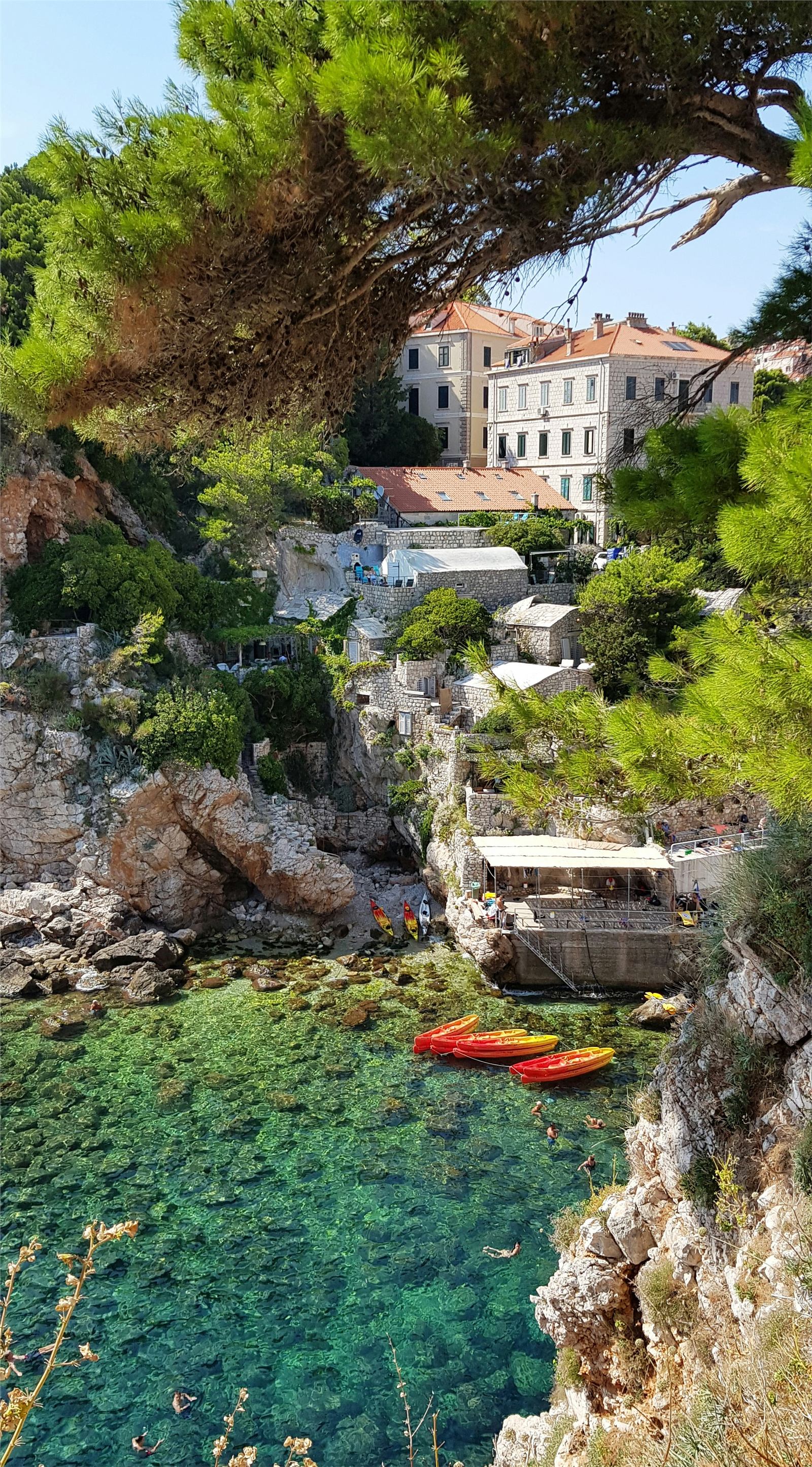
Often called the “Pearl of the Adriatic,” Dubrovnik is Croatia’s most famous destination.
Surrounded by impressive medieval walls and overlooking the Adriatic Sea, the city’s historic centre feels like an open-air museum.
Split
Croatia’s second-largest city offers a fascinating mix of ancient history and modern Mediterranean life.
At its heart lies Diocletian’s Palace, a vast Roman complex built nearly 1,700 years ago that continues to function as part of the modern city.
Hvar
Known for sunshine, lavender fields and beautiful harbours, Hvar is one of Croatia’s most popular islands.
Beyond the lively waterfront, the island offers secluded beaches, vineyard-covered hills and quieter villages waiting to be discovered.
Plitvice Lakes National Park
One of Croatia’s greatest natural treasures, Plitvice Lakes National Park is famous for its chain of turquoise lakes connected by waterfalls and wooden walkways.
The colours of the water constantly change depending on sunlight and mineral content, creating landscapes that often seem almost unreal.
Istria
Located in the north-west of Croatia, Istria offers a different experience from the Dalmatian Coast.
Rolling hills, medieval hilltop villages, vineyards and olive groves give the region a distinctly Italian feel. Towns such as Rovinj, Porec and Motovun are especially popular with food lovers.
Food & Drink
Croatian cuisine varies significantly from region to region, reflecting centuries of cultural influences and local traditions.
Along the Adriatic coast, seafood dominates menus. Fresh fish, octopus, mussels and prawns are often prepared simply to highlight their quality and freshness.
One of the country’s most celebrated dishes is peka (meat or seafood slow-cooked under a bell-shaped lid), a favourite for family gatherings and special occasions.
In regions such as Istria, visitors will also discover excellent olive oils, truffles and local wines.
Local Culture
Croatian culture reflects its position between Central Europe and the Mediterranean.
Centuries of Venetian, Roman, Austro-Hungarian and Slavic influences have shaped the country’s traditions, architecture and way of life.
Visitors often notice the strong connection Croatians have with the sea, particularly along the coast where fishing, boating and island life remain deeply woven into local identity.
Quick Facts
| Detail | Croatia |
|---|---|
| Capital | Zagreb |
| Population | Approximately 3.9 million |
| Currency | Euro |
| Language | Croatian |
| Time Zone | GMT+1 |
| Known For | Dubrovnik, islands, national parks and the Adriatic Coast |
| Airport | Zagreb Airport |
| Best Time to Visit | May-June and September-October |
| Visa | Croatia is part of the Schengen Area |