Quick Facts
Bulgaria At A Glance
Ancient ruins, Orthodox monasteries, mountain peaks, Black Sea beaches and some of Europe’s oldest cities. Bulgaria combines history, nature and culture while remaining one of the continent’s best-value destinations.
Understanding Bulgaria
Situated in the southeastern corner of Europe, Bulgaria is one of the continent’s oldest countries and one of its most underrated.
For thousands of years, Thracians, Greeks, Romans, Byzantines and Ottomans have all left their mark on the land, creating a fascinating mix of cultures and traditions that can still be seen today.
Within a single trip, you can explore ancient Roman theatres, hike through mountain national parks, relax on Black Sea beaches and visit monasteries hidden among forested valleys.
Best Areas To Explore
Sofia
Bulgaria’s capital is often the starting point for visitors.
Set against the backdrop of Vitosha Mountain, Sofia combines Roman ruins, grand Orthodox churches, Soviet-era monuments and modern cafes within a surprisingly compact city centre.
One of its most recognisable landmarks is Alexander Nevsky Cathedral, whose golden domes dominate the skyline.
Plovdiv
Often considered Bulgaria’s most beautiful city, Plovdiv is also one of Europe’s oldest continuously inhabited settlements.
Its Old Town is filled with colourful nineteenth-century houses, cobbled streets and hidden courtyards, while a remarkably preserved Roman theatre still hosts performances.
Rila Monastery
Nestled deep within the Rila Mountains, Rila Monastery is Bulgaria’s most famous religious site and a UNESCO World Heritage Site.
Surrounded by forests and mountain scenery, the monastery is renowned for its colourful frescoes, striped arches and centuries of spiritual significance.
The Rila Mountains
Home to Bulgaria’s highest peaks, the Rila Mountains offer some of the country’s most spectacular scenery.
Glacial lakes, alpine meadows, waterfalls and hiking trails attract outdoor enthusiasts throughout the warmer months.
The Black Sea Coast
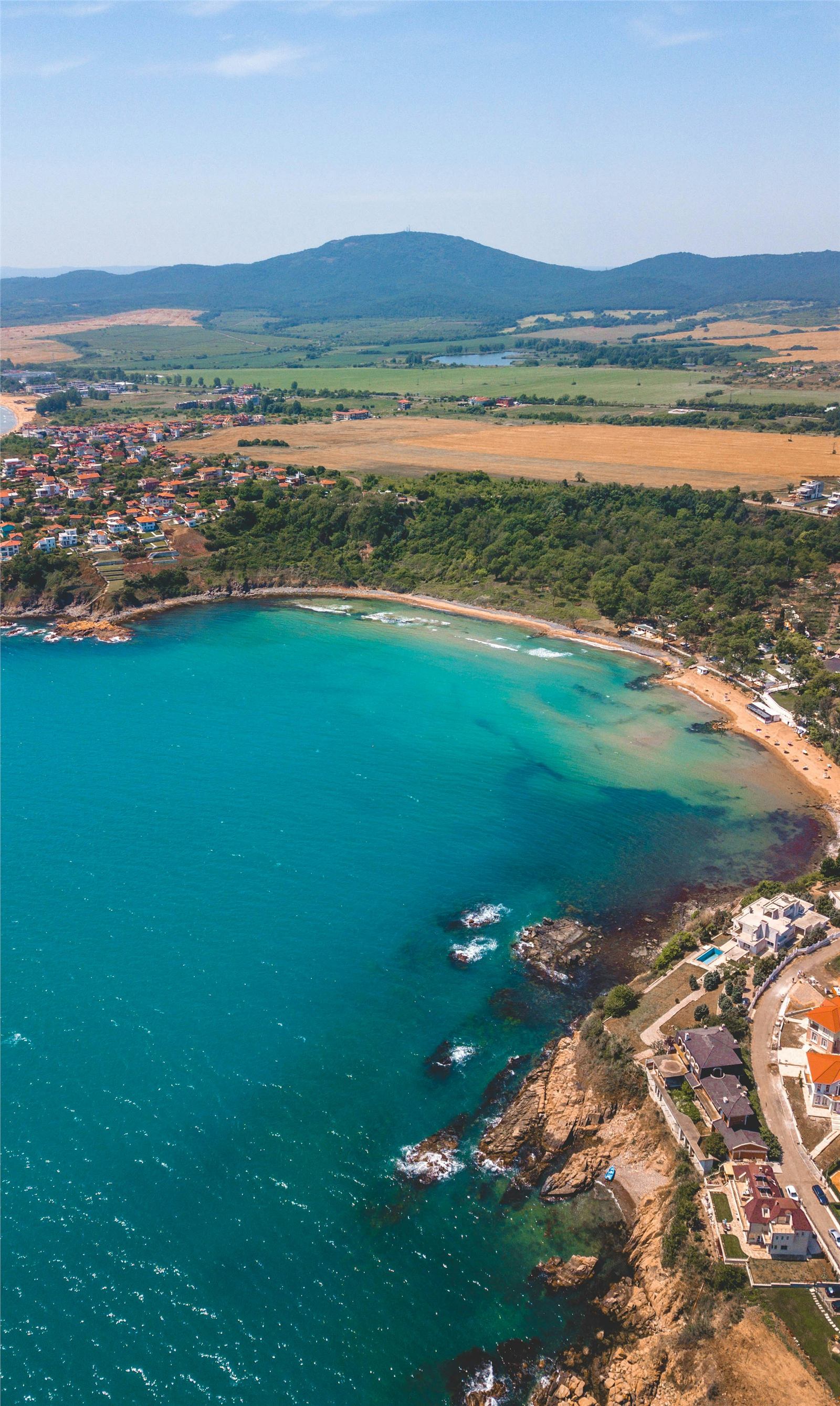
Bulgaria’s eastern coastline stretches along the Black Sea and offers a completely different side of the country.
Historic towns such as Nessebar sit alongside lively beach resorts and quieter coastal villages.
Food & Drink
Bulgarian cuisine reflects the country’s fertile landscapes and centuries of cultural influences from the Balkans, the Mediterranean and the Ottoman Empire.
One of the most beloved dishes is shopska salad (tomato, cucumber, pepper and white cheese salad), often considered Bulgaria’s national dish.
Another local favourite is banitsa (cheese and egg pastry), commonly enjoyed for breakfast alongside a cup of coffee.
Bulgaria is also one of the world’s oldest wine-producing regions, and local wines remain one of the country’s most overlooked pleasures.
Local Culture
Bulgaria’s culture is shaped by a strong sense of history, tradition and national identity.
Orthodox Christianity plays an important role in many cultural celebrations, while folk music, traditional dances and local festivals remain deeply rooted in everyday life.
The country also has a strong cafe culture, especially in cities such as Sofia and Plovdiv.
Quick Facts
| Detail | Bulgaria |
|---|---|
| Capital | Sofia |
| Population | Approximately 6.4 million |
| Currency | Bulgarian Lev (BGN) |
| Language | Bulgarian |
| Time Zone | GMT+2 |
| Known For | Monasteries, mountains, Roman ruins and Black Sea beaches |
| Airport | Sofia Airport |
| Best Time to Visit | May-June and September-October |
| Visa | Bulgaria is part of the Schengen Area |