Before 200 BC
Prehistoric Portugal
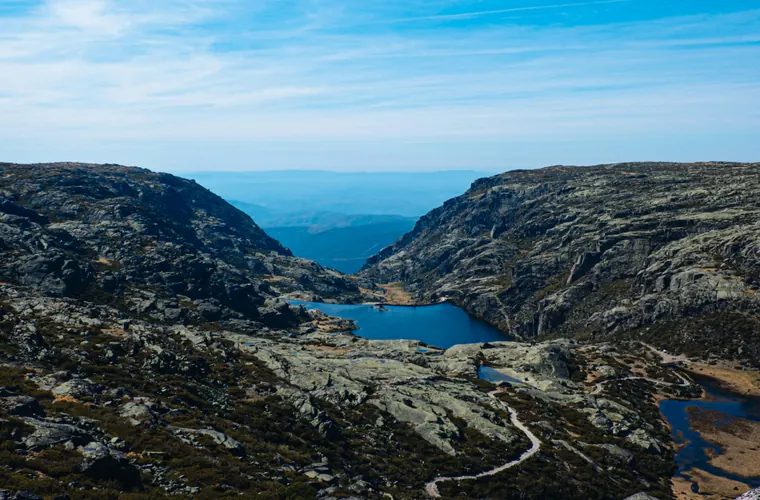
Long before Portugal existed as a kingdom, people lived along its rivers, coasts and highlands, leaving megaliths, rock art and fortified settlements that still shape the earliest layer of the country.
Portugal's story is one of exploration, exchange, faith and resilience.
Portugal's story is one of exploration and exchange, faith and resilience, shaping a nation that looks confidently to the future while honouring its rich past.
Before 200 BC
Long before Portugal existed as a kingdom, people lived along its rivers, coasts and highlands, leaving megaliths, rock art and fortified settlements that still shape the earliest layer of the country.
200 BC - 19 BC
The Lusitanians resisted Roman expansion and became one of the most enduring symbols of early Portuguese identity, remembered for their independence and mountain strongholds.
19 BC - 5th century
Roman roads, bridges, temples, cities and trade routes connected the territory to the wider Mediterranean world and created foundations that remain visible today.
5th - 8th century
After Rome, Germanic kingdoms left new political and religious structures across the northwest of the peninsula, preparing the ground for later Christian kingdoms.
711 - 1249
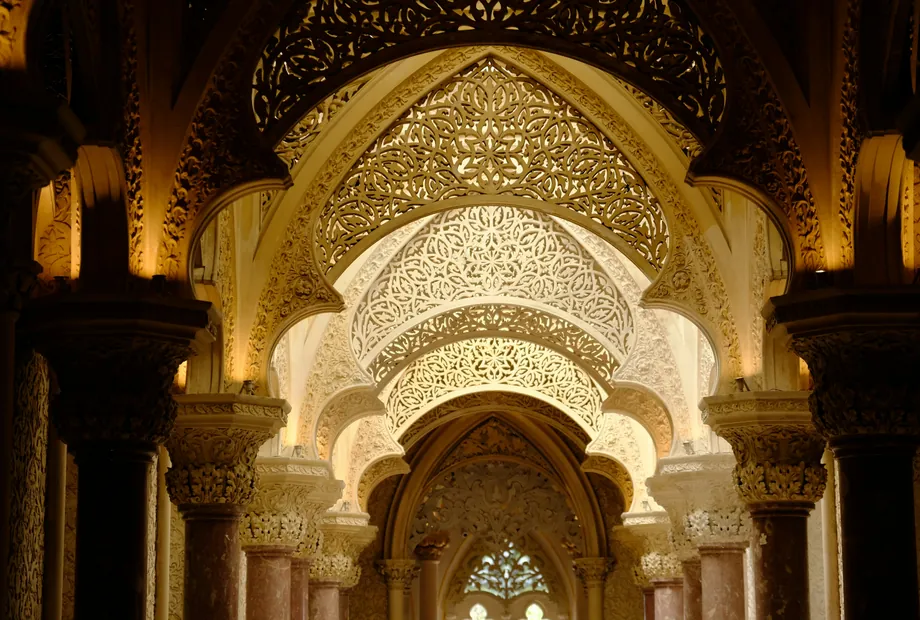
For several centuries, much of the territory that is now Portugal was part of Al-Andalus. The Moors introduced new farming techniques, irrigation systems and crops such as rice, citrus and almonds. They built impressive castles, palaces and bridges, and left a lasting cultural and architectural legacy that is still visible across the country today.
1139 - 1249
The kingdom emerged through battles, alliances and the slow definition of borders that still shape the country today.
15th - 16th century
Portuguese navigators opened sea routes across Africa, Asia and Brazil, transforming Portugal into a maritime power and Lisbon into a global trading city.
16th - 20th century
Portugal's empire connected continents and left complex cultural, architectural and linguistic legacies around the world.
1755
The devastating earthquake reshaped Lisbon and marked a turning point in urban planning, politics and Enlightenment thought.
1974
The peaceful Carnation Revolution ended dictatorship and opened the way to democracy, leaving one of modern Europe's most memorable political symbols.
20th century - today
From dictatorship to democracy, Portugal has become a confident, creative and outward-looking country with a renewed cultural life.
From ancient tribes to modern democracy, discover the defining moments that shaped the country.
Explore timeline ->
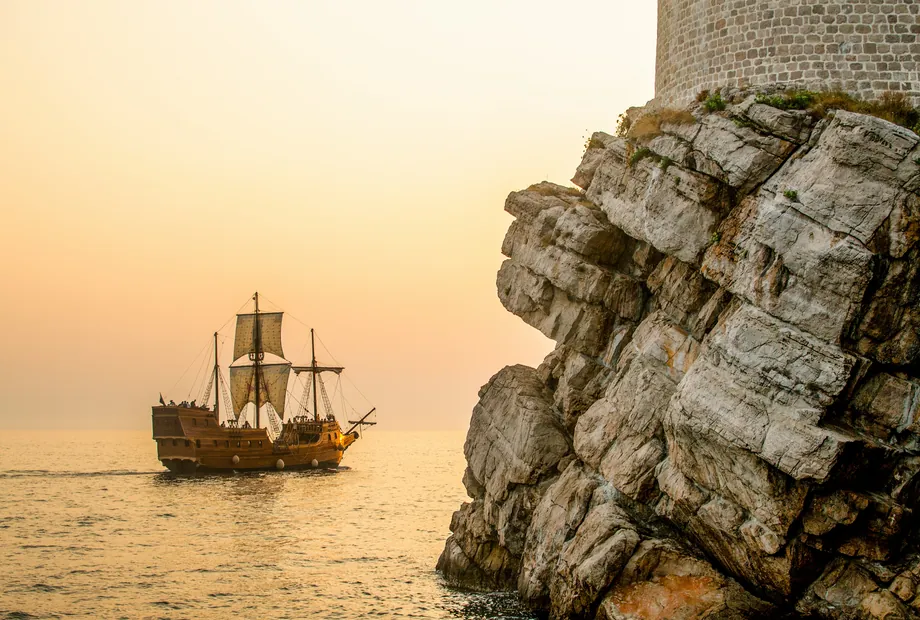
How brave navigators opened unknown seas and connected Portugal to the world.
Discover the story ->
From architecture to traditions, explore the cultural influences that are still part of everyday life.
Discover more ->
Religion has played a central role in Portugal's identity, from ancient times to the present day.
Read more ->
The story of the Carnation Revolution and the peaceful transition to freedom.
Learn more ->
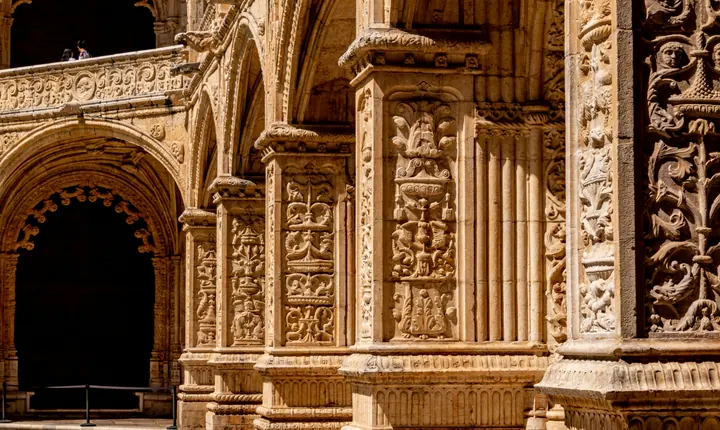
Jeronimos Monastery Lisbon A masterpiece of Manueline architecture and a symbol of Portugal's Age of Discoveries.
Learn more ->
Convent of Christ Tomar Home to the Knights Templar and a UNESCO World Heritage Site.
Learn more ->
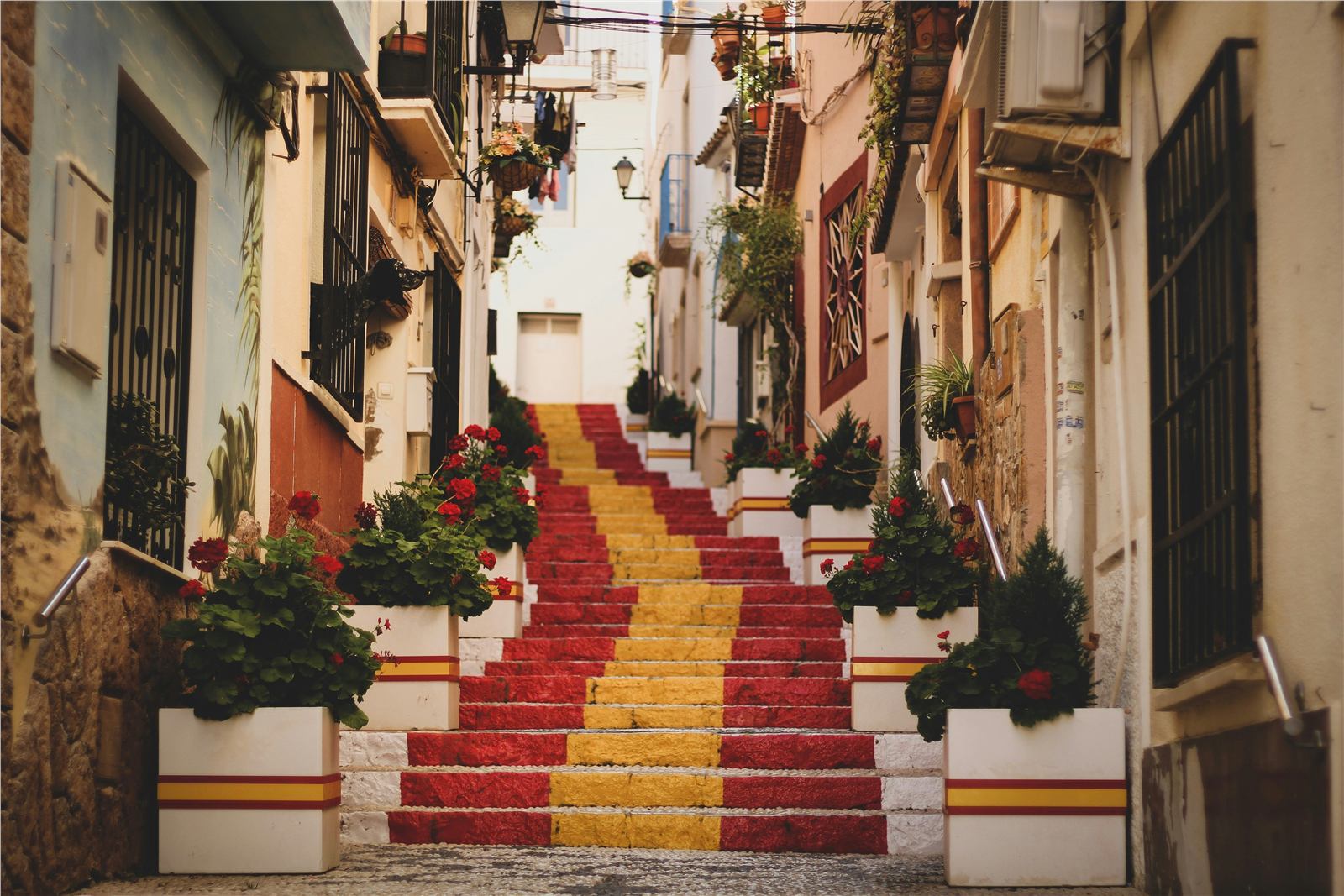
Roman Temple Evora A remarkably preserved Roman temple in the heart of Evora's historic centre.
Learn more ->
Pena Palace Sintra A Romanticist palace on the hill, reflecting 19th-century history and imagination.
Learn more ->
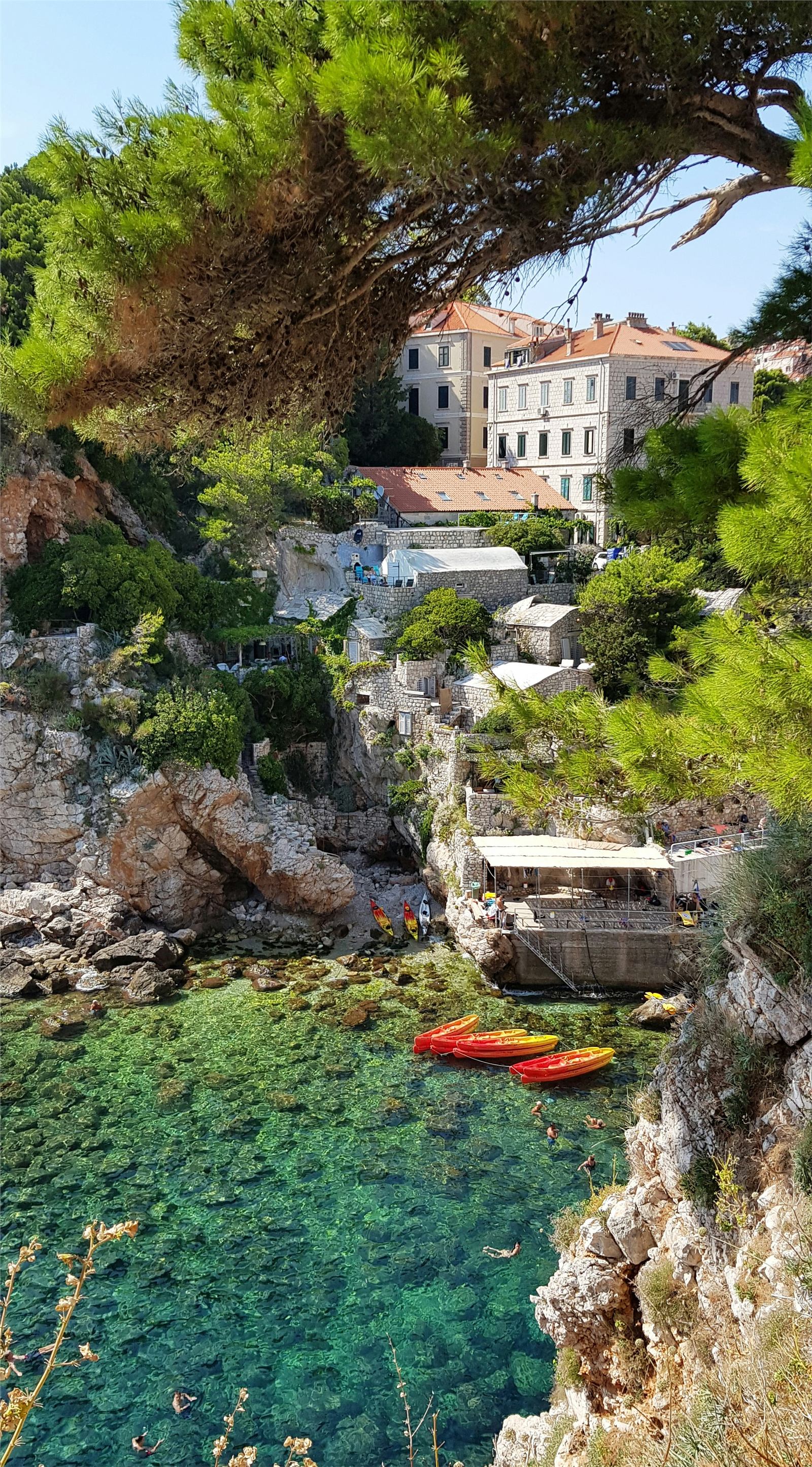
Batalha Monastery Batalha Built to celebrate a historic victory for independence in the 14th century.
Learn more ->