Montenegro sits within Europe, with regional guides and city pages being added gradually.
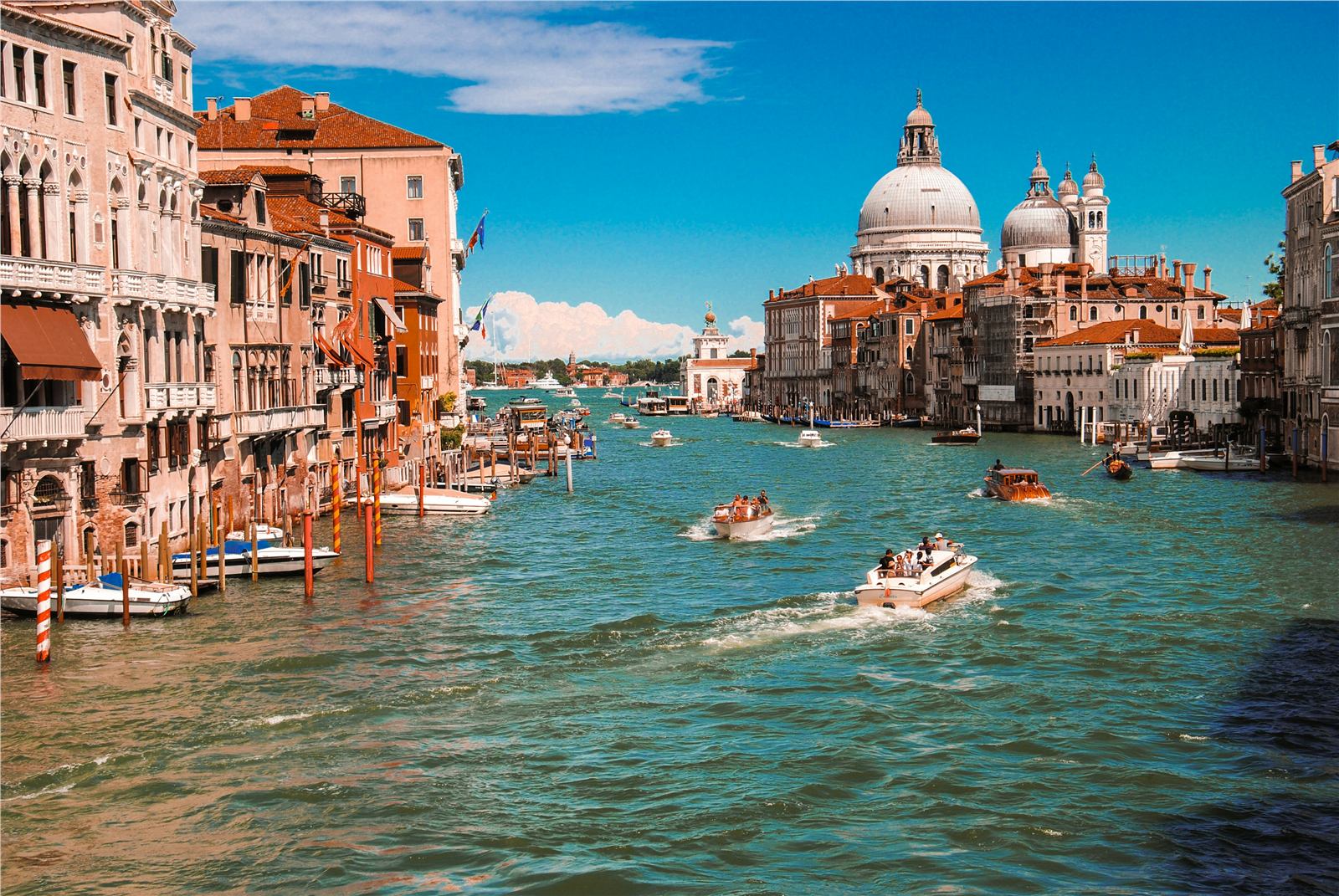
Montenegro travel guides will collect city ideas, food notes, landmarks, regions and practical first-trip advice.
Montenegro travel guides will collect city ideas, food notes, landmarks, regions and practical first-trip advice.
Use the tabs to browse Montenegro by history, geography, culture, food, regions, cities and practical planning notes.
Montenegro sits within Europe, with regional guides and city pages being added gradually.
Seasonal notes will be customised for this country.
Coming soon with month-by-month guidance.
Podgorica, Kotor, Budva
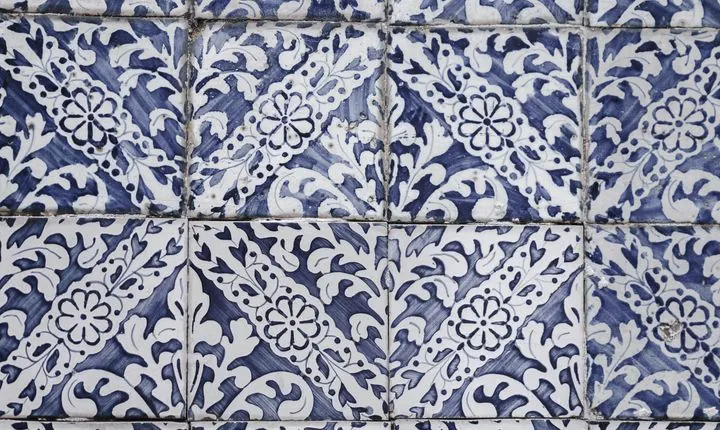
Explore Montenegro's regions, landscapes and future city guides.
Explore the map A journey through the key chapters that shaped the nation.
 Ancient Peoples Early settlers and Celtic influences
  Roman Lusitania 2nd century BC - 5th century AD
  Moorish Portugal 8th - 12th century
  Kingdom of Portugal 1143 - 15th century
 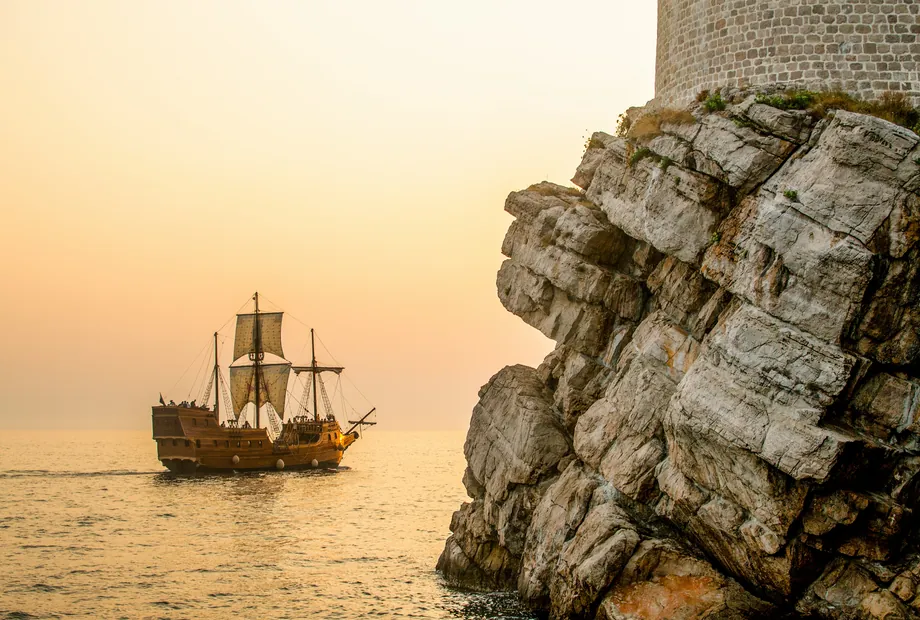 Age of Discovery 15th - 16th century Empire & Global Reach 16th - 19th century
 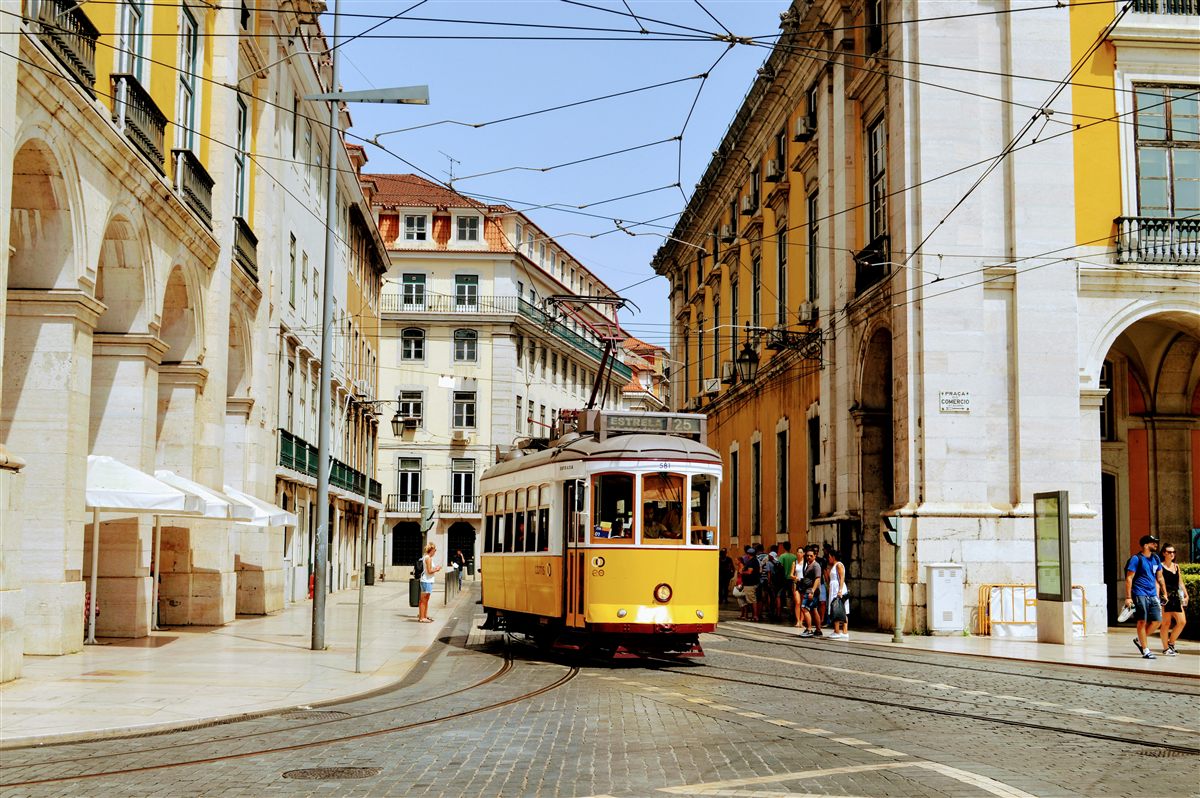 Earthquake of 1755 A turning point in Portuguese history
 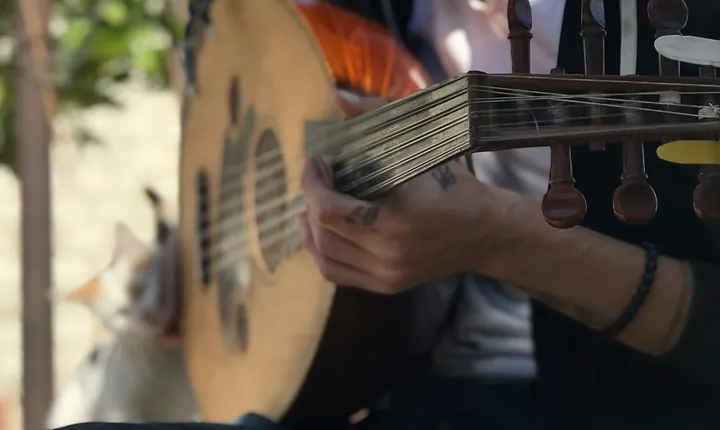 From Dictatorship to Democracy 20th century and beyond
 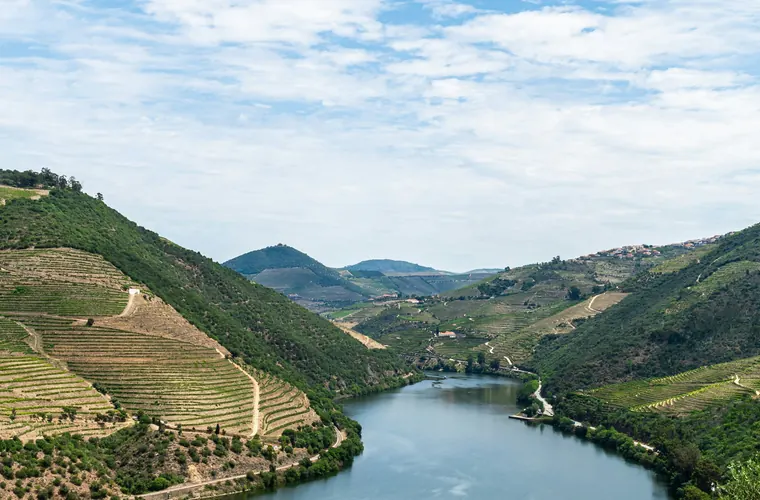 Modern Portugal A country looking confidently forward
 Montenegro's story brings together settlement, exchange, faith, conflict, creativity and the long memory of place.
Before 200 BC
Long before Portugal became a kingdom, its landscapes were home to prehistoric communities, megalithic monuments and early cultures shaped by rivers, coastlines and fertile valleys.
200 BC - 19 BC
The Lusitanians resisted Roman expansion and became one of the most enduring symbols of early Portuguese identity.
19 BC - 5th century
Roman roads, cities, temples and trade shaped the territory and connected Portugal to the wider Mediterranean world.
5th - 8th century
After Rome, Germanic kingdoms left new political and religious structures across the northwest of the peninsula.
711 - 1249
For several centuries, much of the territory that is now Portugal was part of Al-Andalus. The Moors introduced new farming techniques, irrigation systems and crops such as rice, citrus and almonds. They built impressive castles, palaces and bridges, and left a lasting cultural and architectural legacy.
1139 - 1249
The kingdom emerged through battles, alliances and the slow definition of borders that still shape the country today.
15th - 16th century
Portuguese navigators opened sea routes across Africa, Asia and Brazil, transforming Portugal into a maritime power.
16th - 20th century
Portugal's empire connected continents and left complex cultural, architectural and linguistic legacies around the world.
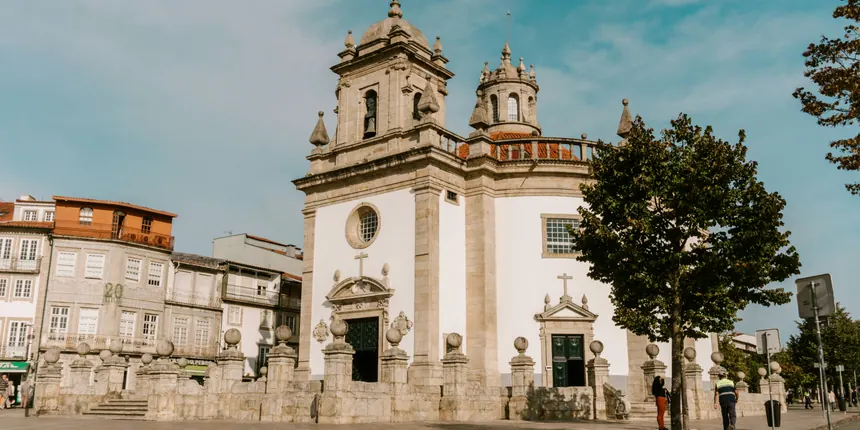
1755
The devastating earthquake reshaped Lisbon and marked a turning point in urban planning, politics and Enlightenment thought.
20th century - today
From dictatorship to democracy, Portugal has become a confident, creative and outward-looking country.
From ancient tribes to modern democracy, discover the defining moments that shaped the country.
Explore timeline ->
How brave navigators opened unknown seas and connected Portugal to the world.
Discover the story ->From architecture to traditions, explore cultural influences still part of everyday life.
Discover more ->
Religion has played a central role in Portugal's identity, from ancient times to the present day.
Read more ->
The story of peaceful transition and renewal.
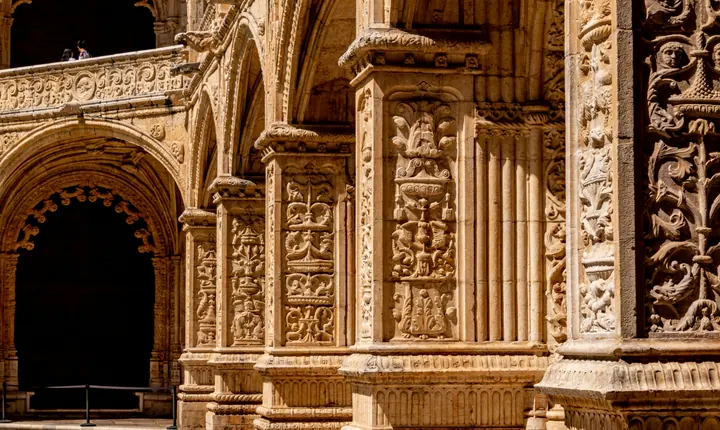
Learn more ->Jeronimos MonasteryLisbonLearn more ->Convent of ChristTomarLearn more ->Roman TempleEvoraLearn more ->Pena PalaceSintraLearn more ->Montenegro will have its landscapes, regions, climate and natural highlights shaped here as the guide develops.
Over 800 km of dramatic coastline with sandy beaches, cliffs and charming seaside towns.
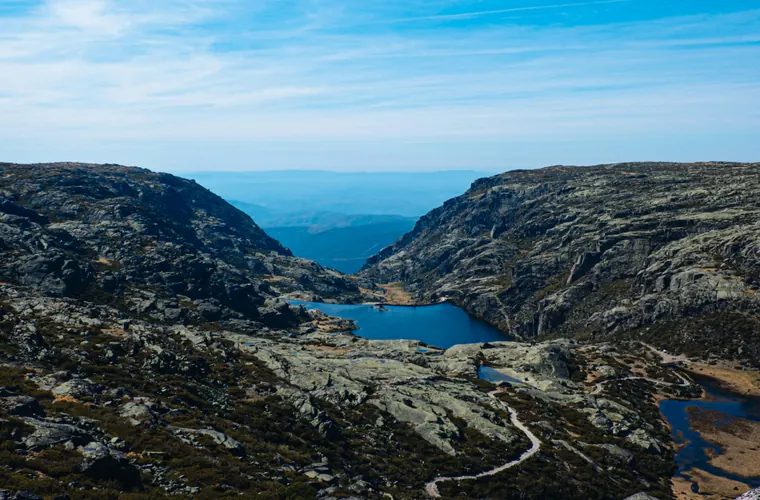
The Interior Highlands dominate the centre and north, while the Serra da Estrela is the highest point.
The Douro, Tagus and Guadiana rivers shape the landscape and support rich agriculture.
Alentejo's open plains and gentle hills are perfect for vineyards, olive groves and cork forests.
Portugal enjoys a Mediterranean climate with mild, wet winters and warm, dry summers, though conditions vary between the coast, the interior and the mountains.
Pleasant temperatures, blooming landscapes and fewer crowds.
15°C - 22°CHot and dry, especially inland. Perfect for the coast and islands.
20°C - 30°CWarm seas, harvest season and ideal wine regions.
16°C - 24°CMild but wetter, especially in the north and interior.
8°C - 16°CFrom dramatic cliffs to hidden lagoons, Portugal's nature is as diverse as it is breathtaking.
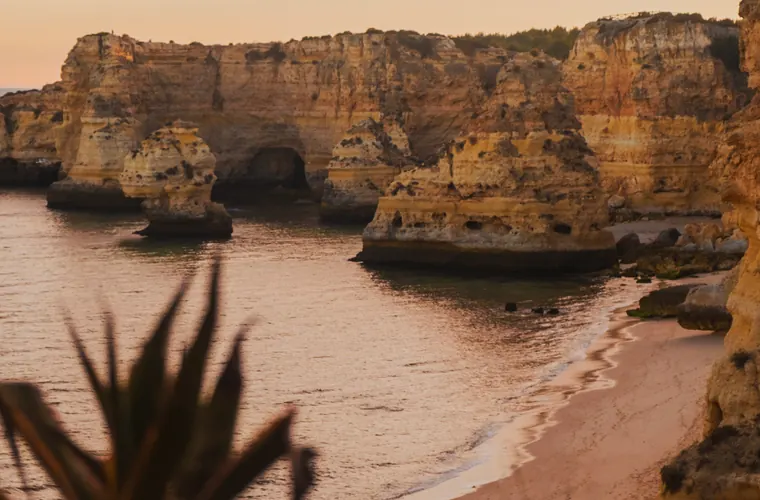 Algarve Coast
Dramatic cliffs, golden beaches and sea caves.
Douro ValleyTerraced vineyards and one of the world's most beautiful river valleys.
Serra da EstrelaPortugal's highest mountains, perfect for hiking and skiing.
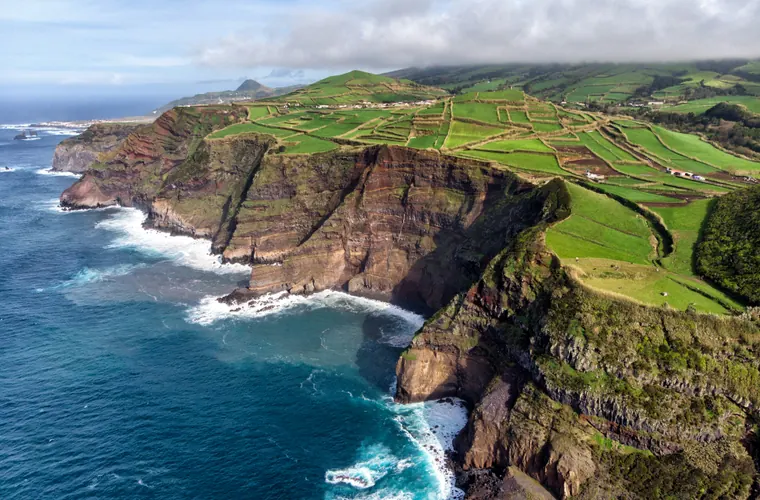 Azores & Madeira
Volcanic islands with lush nature and dramatic landscapes.
Portugal's culture is the result of centuries of history, shaped by the sea, influenced by many peoples and kept alive through traditions, creativity and a deep sense of community.
From ancient customs to contemporary art, it is a culture that honours its past while embracing the present with warmth and authenticity.
Portuguese is the official language, spoken by over 250 million people worldwide. Its melodic sound and unique expressions reflect the country's rich heritage.
Useful phrases for travellers ->Traditions are woven into everyday life in Portugal. Passed down through generations, they are a source of pride and a way to bring people together.
Explore Portuguese traditions ->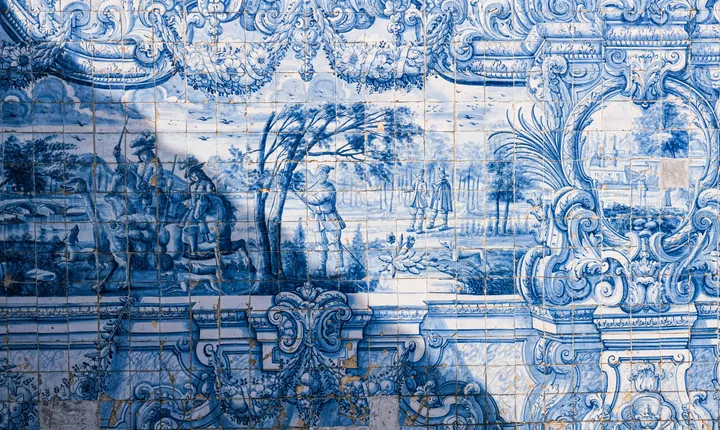
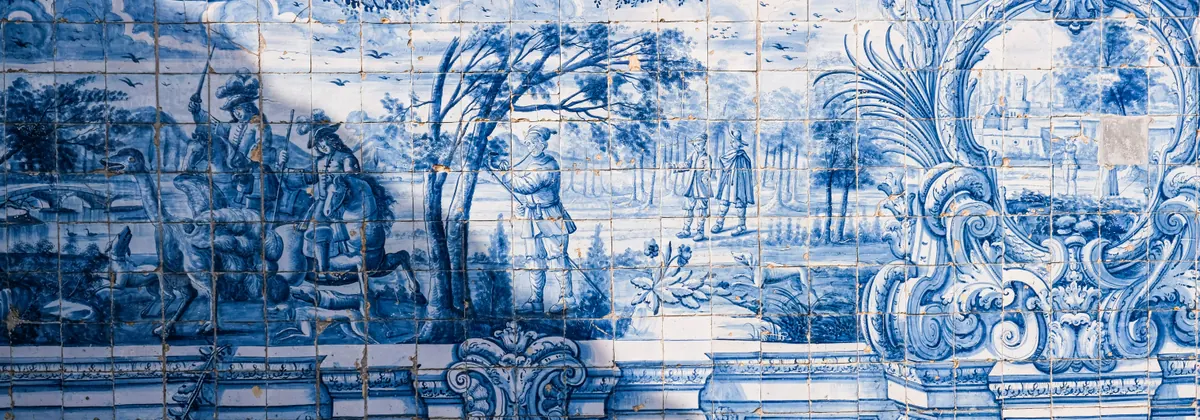
Hand-painted tiles that decorate homes, churches and streets with stories in blue and white.
A soulful music born in Lisbon, expressing longing, love and the beauty of saudade.
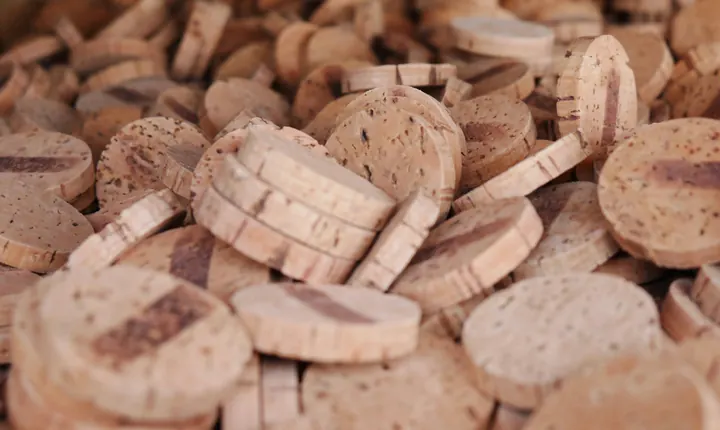
A sustainable craft and one of Portugal's greatest natural resources.
There is always something to celebrate. Here are some of the most important festivals throughout the year.
See all festivals ->Life in Portugal moves at a relaxed pace. Meals are important moments, coffee is sacred and time with family and friends comes first.
Continue reading ->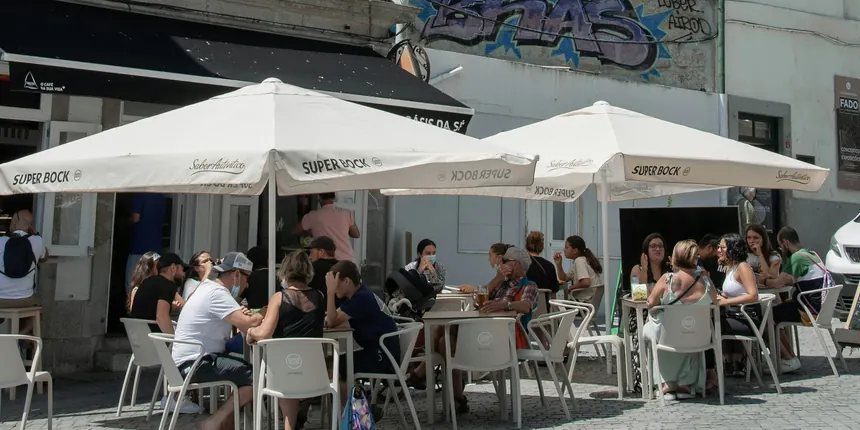
Portugal has a strong Catholic heritage that continues to influence its traditions, architecture and national celebrations, while religious freedom is respected.
Continue reading -> Portugal's artistic legacy is rich and diverse, from Manueline architecture to literature, contemporary art and traditional crafts.
Explore heritage & arts ->Manueline Architecture Literature 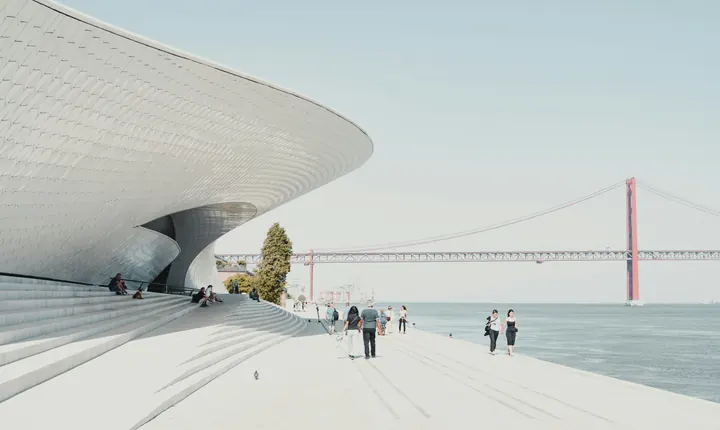 Contemporary Art
 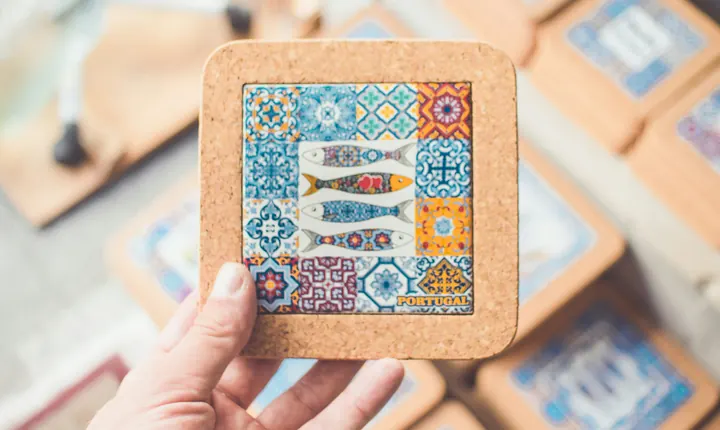 Handicrafts Traditional Music Portuguese Festivals->Fado Explained->
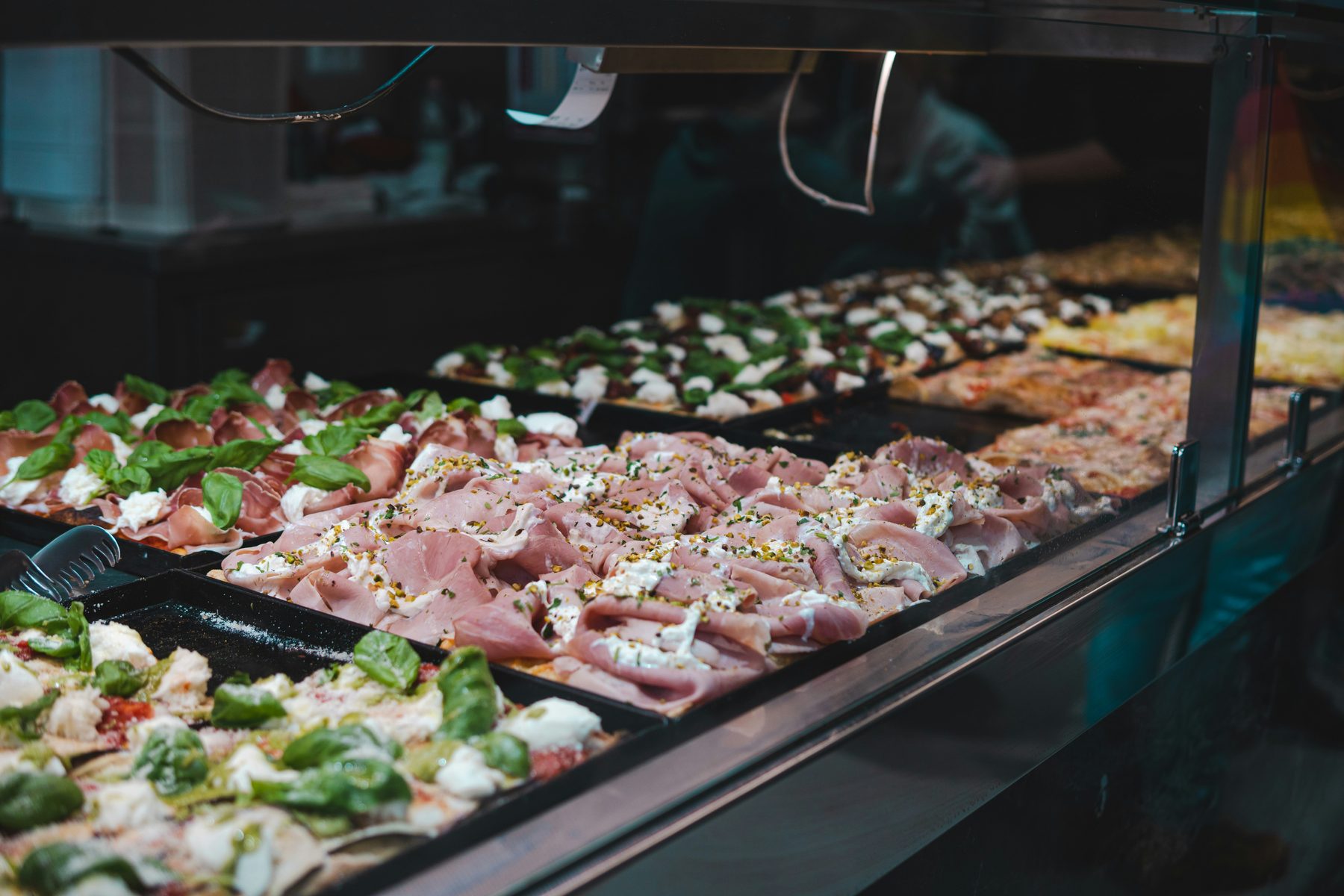 Traditional Portuguese Food->Portuguese Wines->UNESCO Sites in Portugal->
 A dedicated food and drink section for Montenegro, ready for regional dishes, markets, cafes, wine, traditions and local specialities.
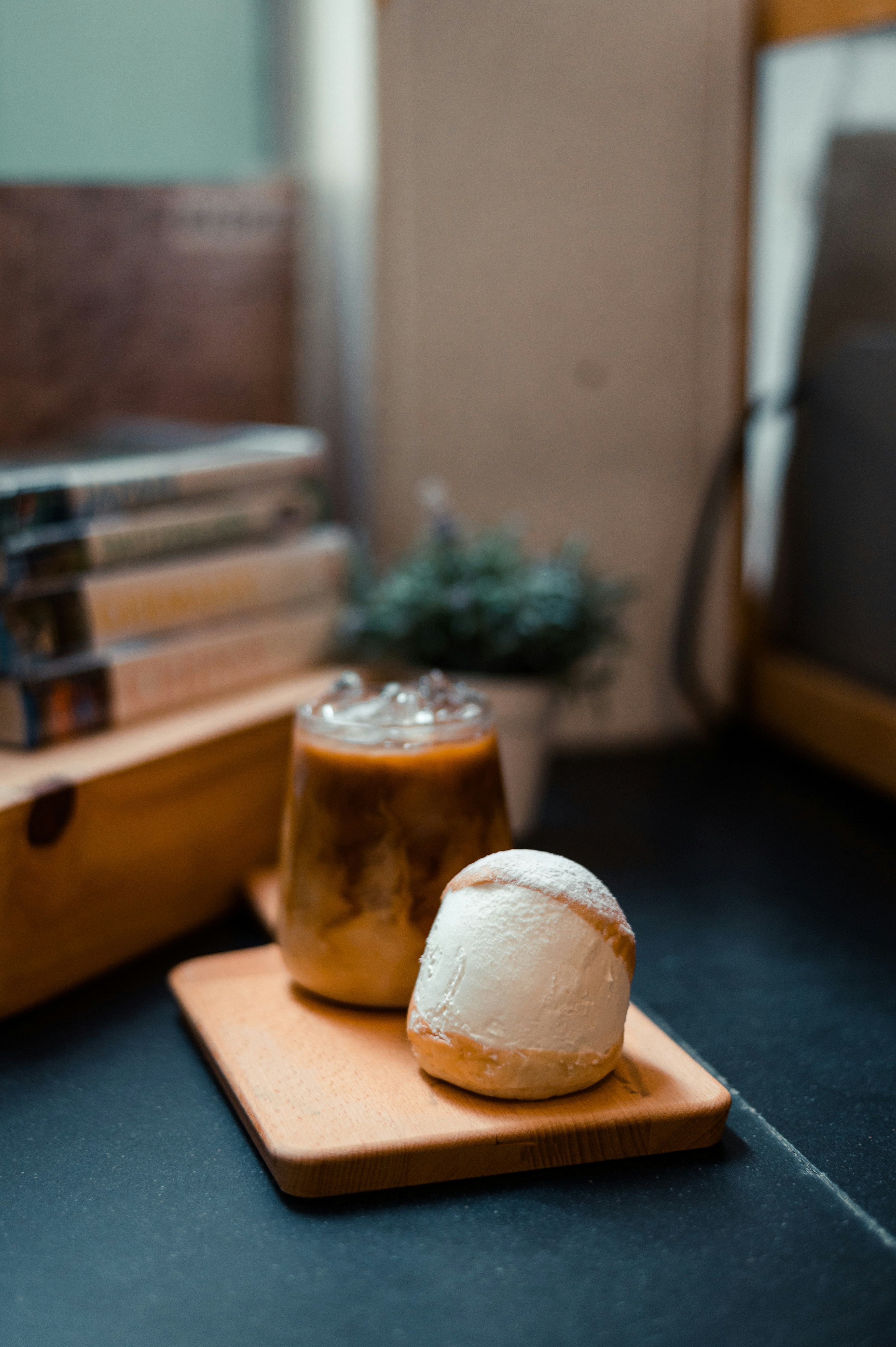
Portugal's most iconic pastry. Crispy, creamy and best enjoyed warm with cinnamon.
Explore ->Salted cod is Portugal's culinary soul, cooked in hundreds of delicious ways.
Explore ->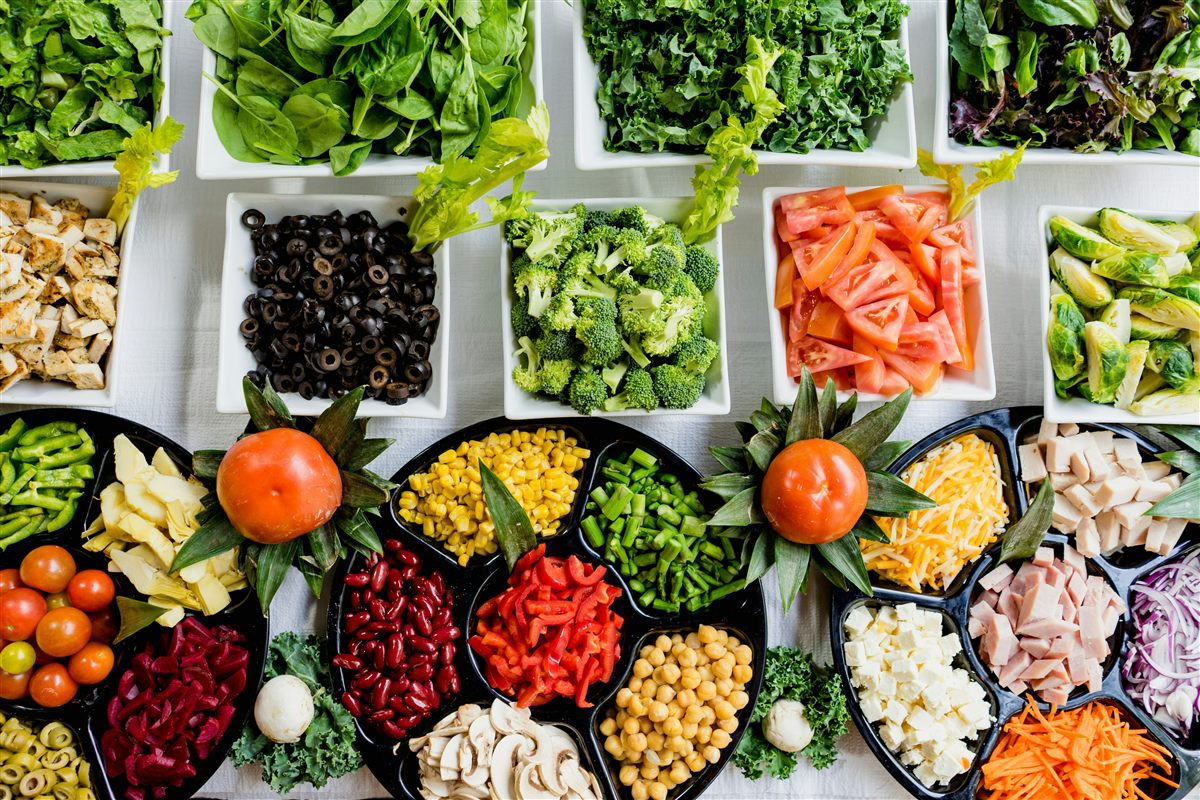
Grilled sardines, especially during the summer festivals in Lisbon.
Explore ->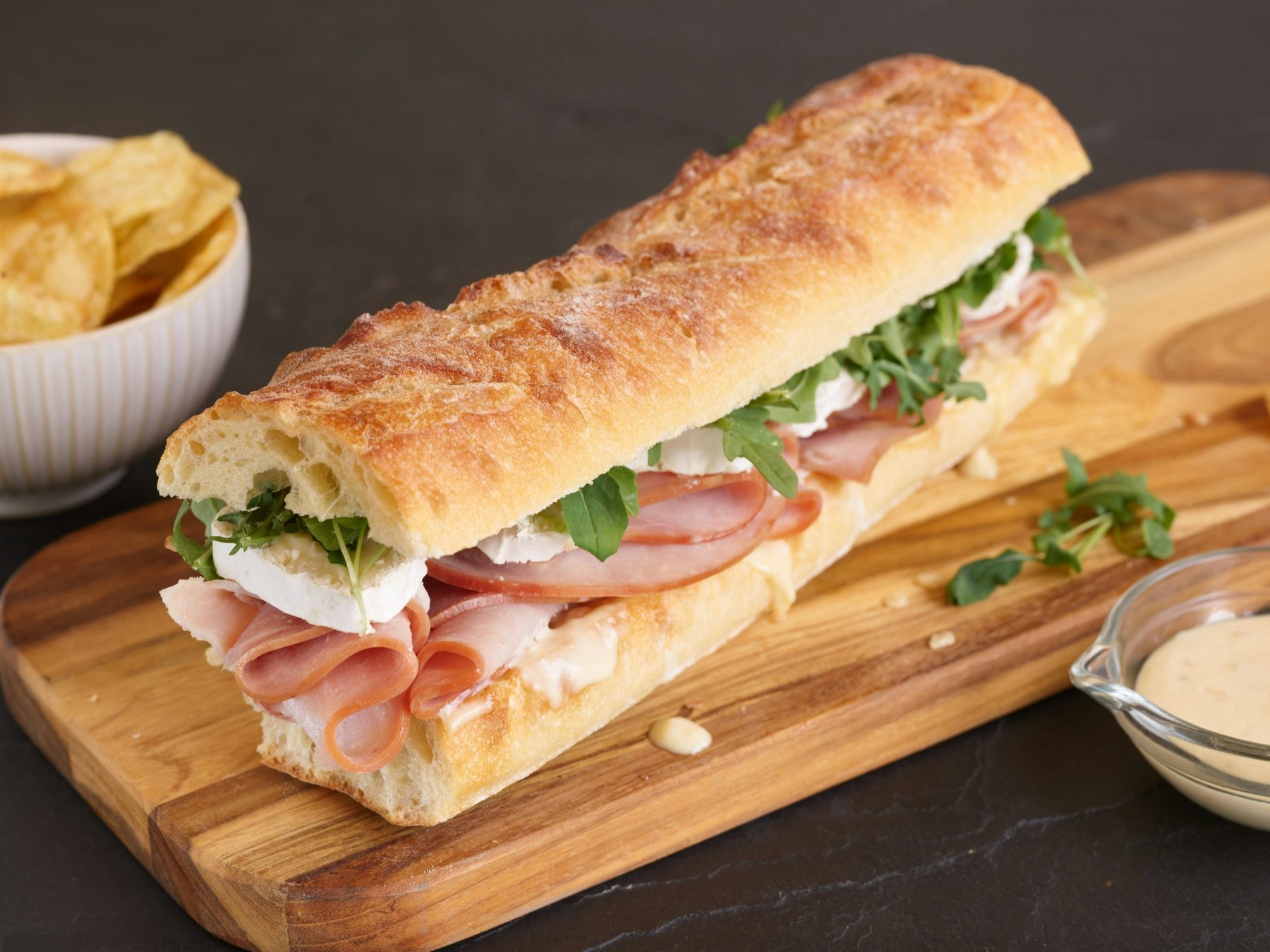
Thinly sliced marinated pork sandwich, Portugal's ultimate street food.
Explore ->A comforting soup with potatoes, kale and chourico.
Explore ->From Port to Vinho Verde, discover Portugal's incredible wine regions.
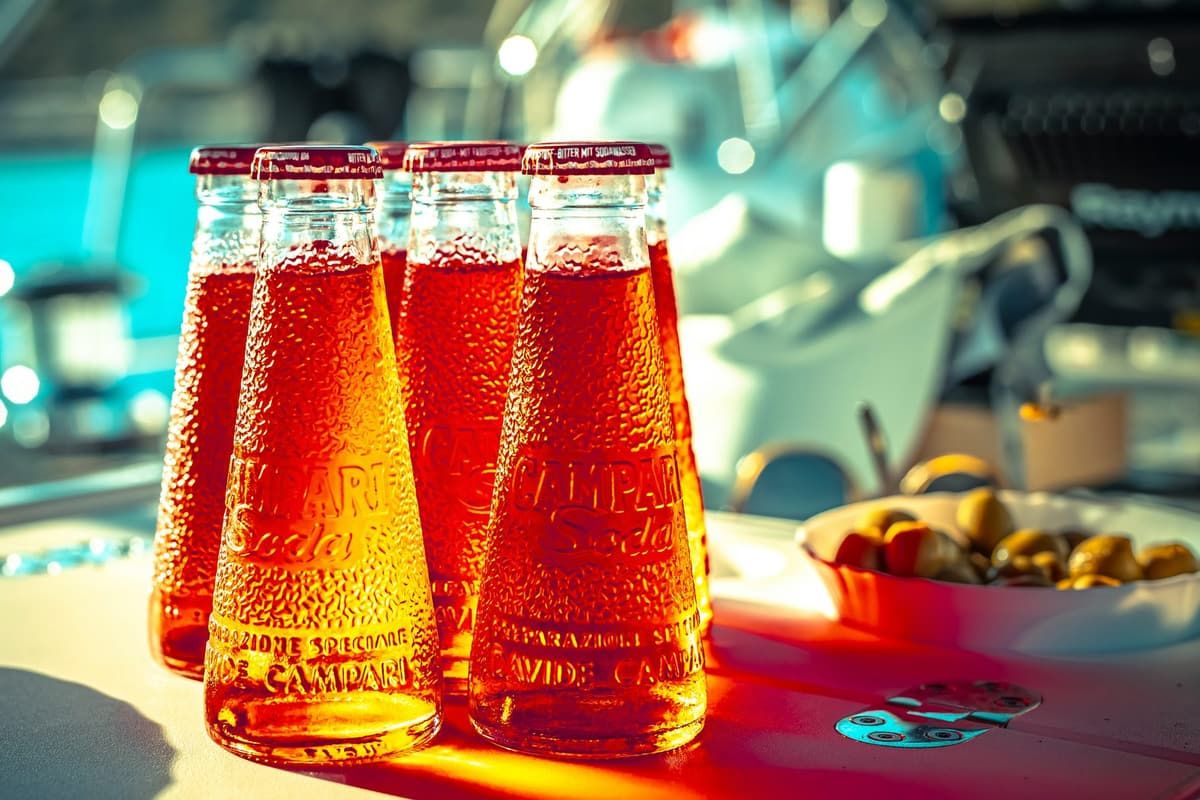
Portugal's world-famous fortified wine from the Douro Valley.
A traditional cherry liqueur from Obidos. Sweet, rich and unforgettable.
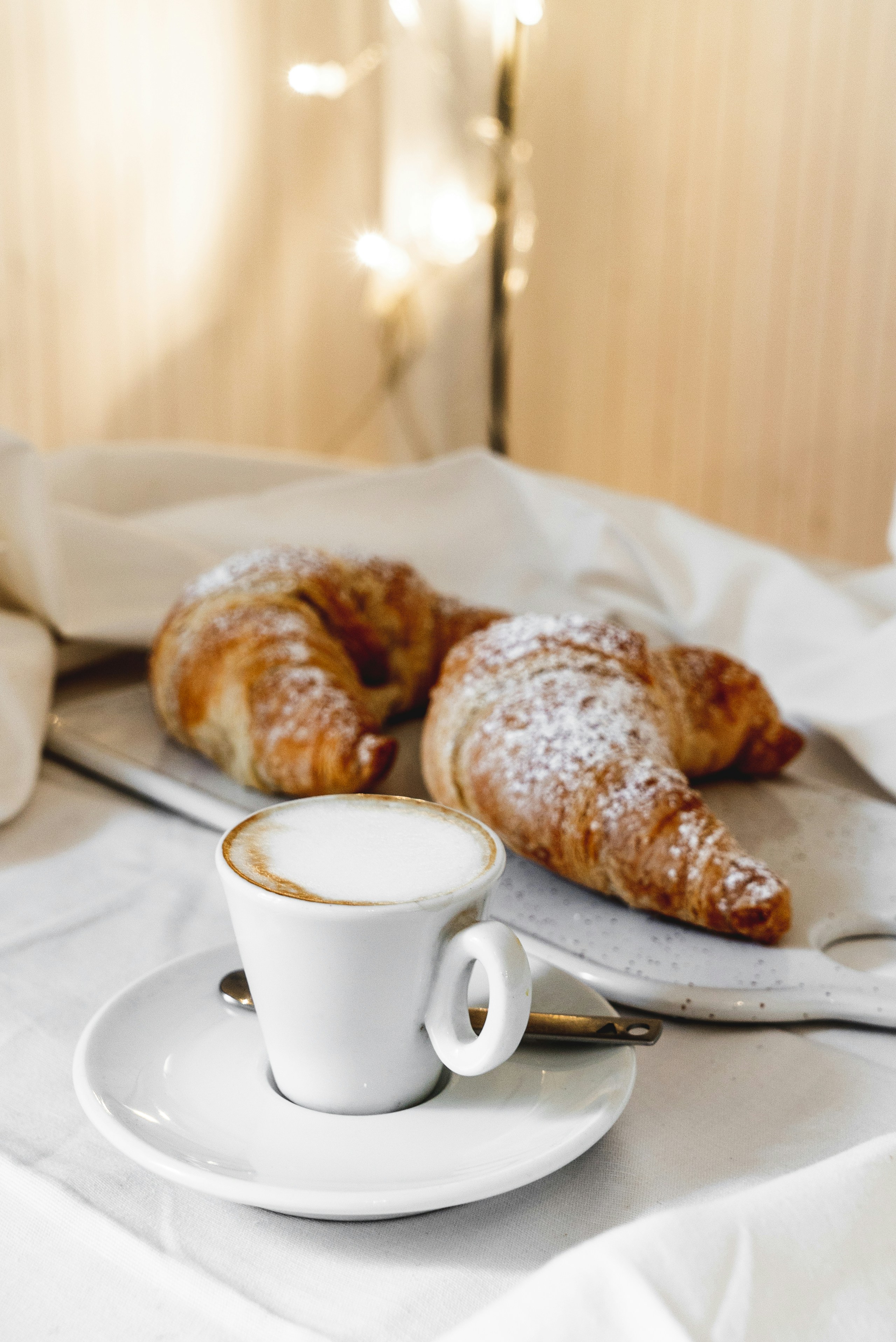
Strong and smooth espresso. A daily ritual in cafes across the country.
Portugal > Food & Drink
Crispy, caramelised and irresistibly creamy, Pastel de Nata is Portugal's most iconic pastry. A symbol of Lisbon and a treat loved around the world.
Pastel de Nata was created by Catholic monks in the 18th century at the Jeronimos Monastery in Belem, Lisbon. Using egg yolks left over from starching clergy robes, they developed this rich custard tart.
The magic lies in the contrast - a shatteringly crisp puff pastry shell filled with silky custard and a beautifully caramelised top.
Pasteis de BelemClassic pastry, warm custard and a beautiful Lisbon atmosphere.
View on map ->ManteigariaClassic pastry, warm custard and a beautiful Lisbon atmosphere.
View on map ->Fabrica da NataClassic pastry, warm custard and a beautiful Lisbon atmosphere.
View on map ->AlomaClassic pastry, warm custard and a beautiful Lisbon atmosphere.
View on map ->Confeitaria NacionalClassic pastry, warm custard and a beautiful Lisbon atmosphere.
View on map ->Each region will have its own character, traditions, landscapes and travel notes as this country hub is customised.
1Dramatic landscapes, historic towns and the birthplace of Port wine.
Explore North ->2Charming towns, rolling hills and centuries of heritage.
Explore Centre ->3Vibrant capital, stunning coastlines and cultural treasures.
Explore Lisbon Region -> 4
4Vast plains, medieval villages and a slower pace of life.
Explore Alentejo ->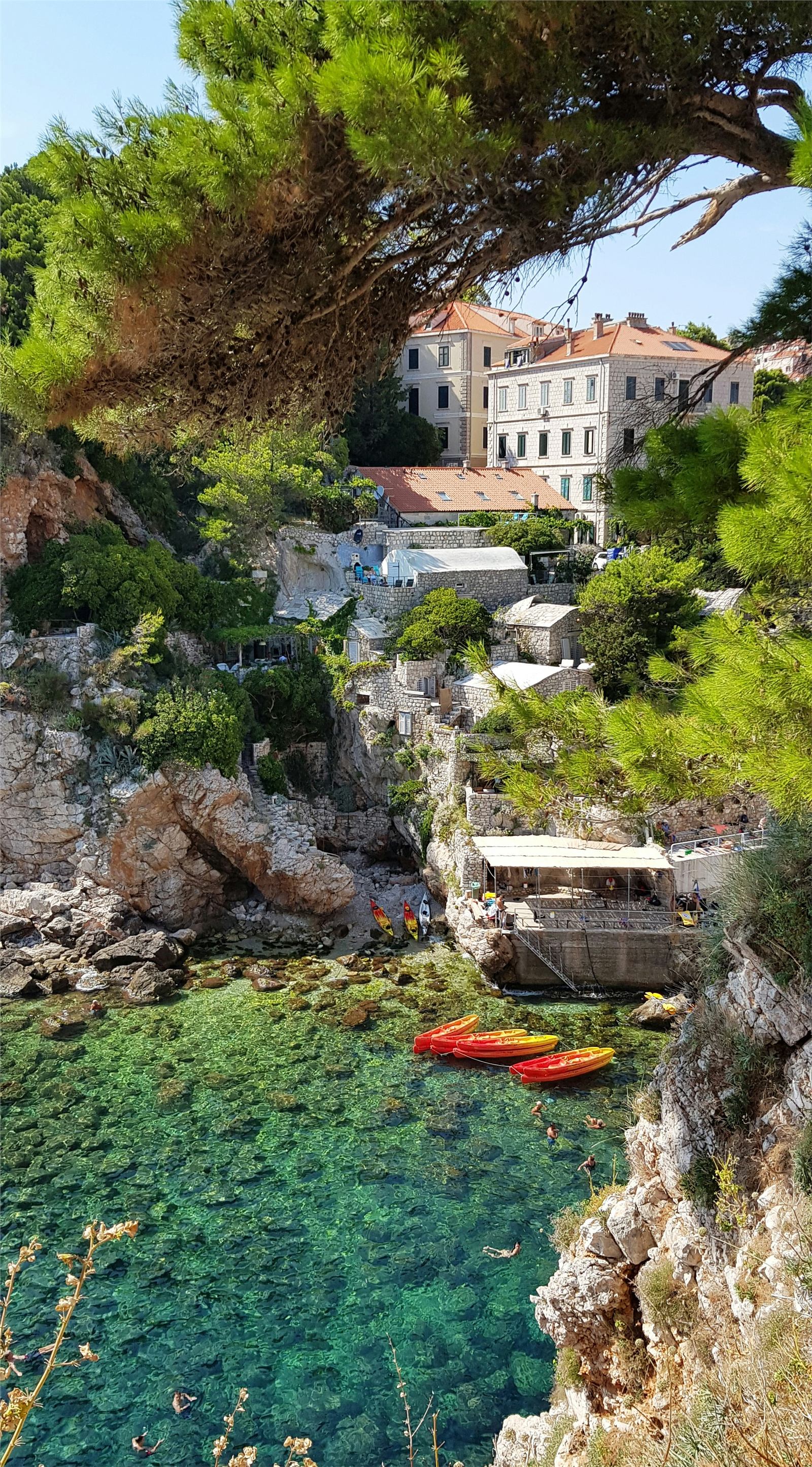 5
5Golden beaches, dramatic cliffs and year-round sunshine.
Explore Algarve ->Porto, NorthHistoric city, Port wine cellars and riverside charm.
Coimbra, CentreAncient university city and rich heritage.
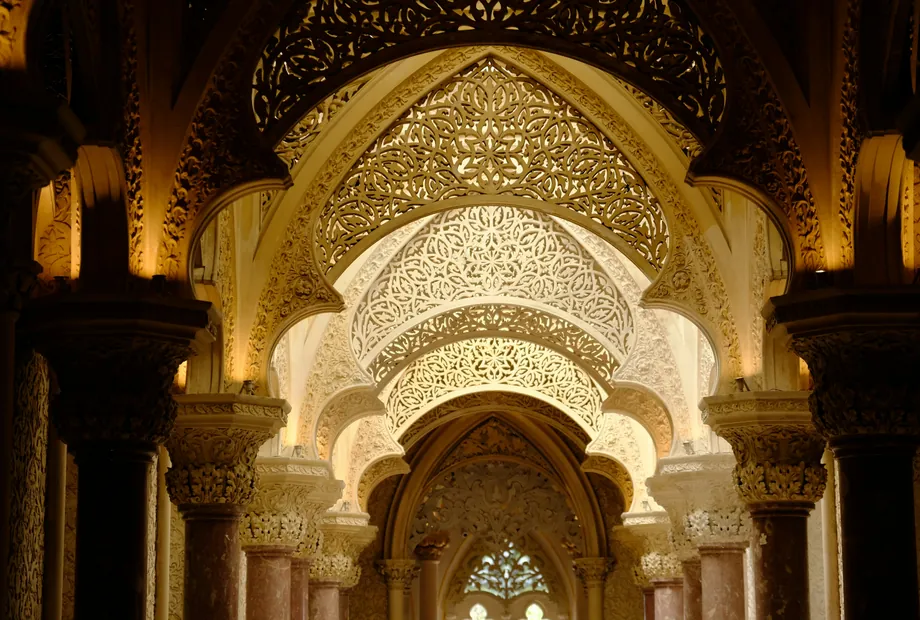
Sintra, Lisbon RegionFairytale palaces and lush forests.
Evora, AlentejoRoman ruins, white streets and Alentejo traditions.
Lagos, AlgarveDramatic cliffs, golden beaches and turquoise waters.
From lively metropolitan centres to charming historic towns, each city has its own rhythm, stories and unforgettable places.
Podgorica guides will gather landmarks, neighbourhoods, food, hotels, day trips and first-visit planning notes.
Explore Podgorica ->Kotor guides will gather landmarks, neighbourhoods, food, hotels, day trips and first-visit planning notes.
Explore Kotor ->Budva guides will gather landmarks, neighbourhoods, food, hotels, day trips and first-visit planning notes.
Explore Budva ->Explore the map to discover Montenegro's main cities and their locations.
Practical notes for planning Montenegro, from the best seasons and transport style to how long to spend in each region.
Spring and autumn for soft weather, fewer crowds and beautiful light.
Use trains between cities, then rent a car for coastlines, villages and wine regions.
Plan at least one week for Lisbon, Porto and one region beyond the cities.