Understanding Sofia
Sofia is the capital of Bulgaria, but it is not only an administrative centre. The city is strongly shaped by Roman ruins, which affects what visitors notice first: the architecture, the main public spaces, the rhythm of the streets, and the way locals use the centre day to day.
A first visit usually begins around Alexander Nevsky Cathedral and Serdica ruins. These places are useful because they explain the city's public face, but they should not be treated as the whole story. Vitosha Boulevard, Boyana Church also help show how Sofia has been shaped by power, religion, trade, conflict, art, or modern planning, depending on the part of the city you are exploring.
The city becomes more interesting when you connect its landmarks with ordinary neighbourhoods. Areas like Serdica, Vitosha Boulevard, and Oborishte show different versions of Sofia: the formal capital, the local everyday city, and the places where food, cafes, markets, nightlife, or creative life make the city feel lived-in.
Another important part of understanding Sofia is Orthodox churches. This is not just a travel detail; it shapes how people move, meet, eat, spend evenings, and use public space. A good visit should leave room for these everyday patterns rather than only moving from one monument to the next.
Sofia mixes ancient ruins, Orthodox identity, socialist-era scale, mineral springs, and easy access to mountains.
For a first visit, think of Sofia as a city with several layers: Roman ruins, Orthodox churches, and Vitosha Mountain. Use the famous sights for orientation, then slow down in the neighbourhoods, try local food, notice transport habits, and pay attention to where residents actually spend time.
Best Areas To Experience Sofia Properly
Serdica — Best for history
Serdica is one of the most useful areas to understand Sofia, especially if you want best for history. It is a good place to focus on Roman ruins and churches, while also leaving time for metro access. This area helps you see a specific side of the city rather than treating Sofia as one single historic centre.
- Roman ruins
- churches
- metro access
Vitosha Boulevard — Best for restaurants
Vitosha Boulevard is one of the most useful areas to understand Sofia, especially if you want best for restaurants. It is a good place to focus on shops and cafes, while also leaving time for mountain views. This area helps you see a specific side of the city rather than treating Sofia as one single historic centre.
- shops
- cafes
- mountain views
Oborishte — Best for architecture
Oborishte is one of the most useful areas to understand Sofia, especially if you want best for architecture. It is a good place to focus on embassies and quiet streets, while also leaving time for cathedral. This area helps you see a specific side of the city rather than treating Sofia as one single historic centre.
- embassies
- quiet streets
- cathedral
Vitosha foothills — Best for nature
Vitosha foothills is one of the most useful areas to understand Sofia, especially if you want best for nature. It is a good place to focus on hikes and views, while also leaving time for day trips. This area helps you see a specific side of the city rather than treating Sofia as one single historic centre.
- hikes
- views
- day trips
Food In Sofia
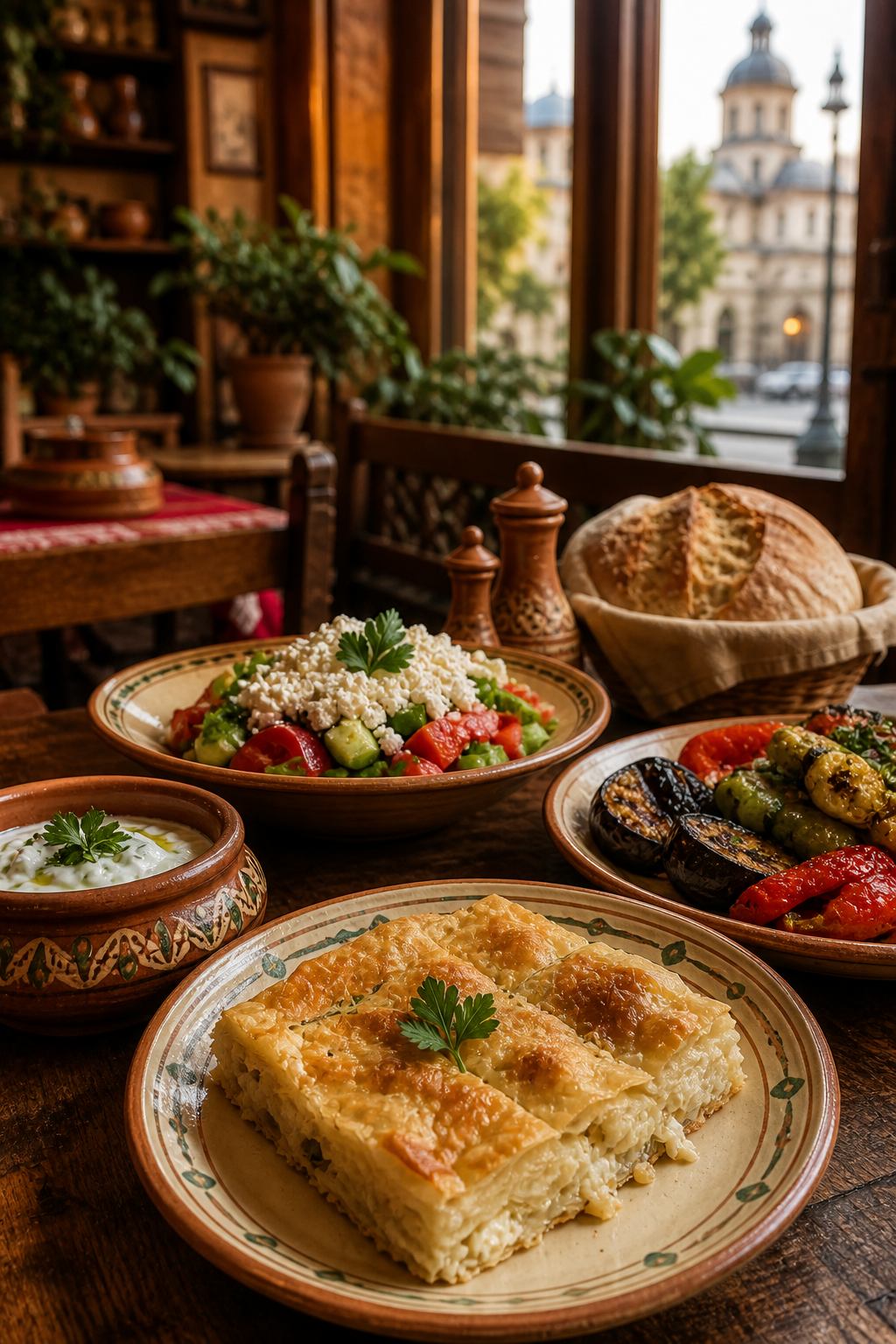
Food in Sofia reflects Bulgaria's wider traditions but also the pace of a working capital. Expect a mix of old restaurants, market food, casual bakeries, modern dining rooms, and neighbourhood places that locals use regularly.
For a first trip, focus on dishes and habits that are specific enough to teach you something about the place. In Sofia, good starting points include banitsa, shopska salad, kebapche, with slower meals giving you a much better sense of the city than rushed tourist stops.
- banitsa
- shopska salad
- kebapche
- tarator
- Bulgarian yogurt
Read more: What To Eat In Sofia
Local Culture, Habits & Traditions In Sofia
Sofia mixes ancient ruins, Orthodox identity, socialist-era scale, mineral springs, and easy access to mountains.
For travellers, the useful question is not only what to see, but how the city behaves. Notice when people eat, where they meet friends, whether the city gathers in squares, cafes, parks, pubs, markets, riversides, or late-night streets, and how formal or relaxed public life feels.
In Sofia, local habits are closely connected to Orthodox churches and Vitosha Mountain. This can affect meal times, weekend routines, how people use public transport, how lively the centre feels after dark, and which neighbourhoods feel more residential or social.
This section can later include etiquette, local phrases, market habits, tipping expectations, dress codes for religious sites, Sunday closures, festival traditions, or the small behaviours that help visitors understand Sofia and its people more respectfully.
Getting Around Sofia
The metro is simple and useful, especially from the airport; trams, buses, and walking cover the centre.
For first-time visitors, the best plan is usually to walk the most historic areas, then use public transport or taxis for outer neighbourhoods, stations, viewpoints, airports, and late-night returns.
Add ticket details, airport transfer notes, useful apps, common mistakes, and accessibility notes here.
Best Time To Visit Sofia
May to October is best; winter is cold but good for museums and nearby skiing.
The best time to visit also depends on what you want from Sofia: long outdoor evenings, quieter museums, Christmas lights, food markets, festivals, or lower hotel prices.
Add month-by-month detail here later, especially for annual events, weather changes, seasonal closures, and crowd levels.
Quick Facts About Sofia
Related Sofia Articles
Related articles
What To Eat In Sofia
A practical first-timer food guide to Bulgarian classics, bakeries, markets and relaxed local restaurants.
Open