Food & Drink In Lisbon
Lisbon is one of Europe’s most rewarding food cities, where Atlantic seafood, traditional Portuguese recipes, neighbourhood bakeries, and centuries of maritime history come together to create a distinctive culinary identity. As Portugal’s capital and largest city, Lisbon offers visitors a blend of simple traditional dishes, fresh ingredients, and a relaxed dining culture that feels deeply connected to everyday life.
Food plays an important role in Lisbon’s social rhythm. Long lunches, leisurely dinners, fresh seafood, local markets, and cafes filled with locals are all part of the city’s character. While modern restaurants continue to emerge, many of Lisbon’s most memorable meals are still found in family-run establishments and traditional neighbourhood taverns.
Whether you are eating grilled sardines overlooking the Tagus River, enjoying a warm pastel de nata, or sharing small plates with friends, Lisbon offers some of the most authentic food experiences in Europe.
Food Culture In Lisbon
Portuguese cuisine is built around simplicity and high-quality ingredients. Fresh seafood, olive oil, bread, cheeses, cured meats, rice, and seasonal produce form the foundation of many traditional dishes.
Meals are often social occasions, and visitors will notice that Portuguese dining tends to feel more relaxed than in many other European capitals. Lunch remains an important meal, while dinners often stretch late into the evening.
Lisbon’s food culture is also closely tied to the sea. Portugal’s maritime history continues to influence menus throughout the city, particularly through seafood dishes and the country’s famous love of cod.
What To Try
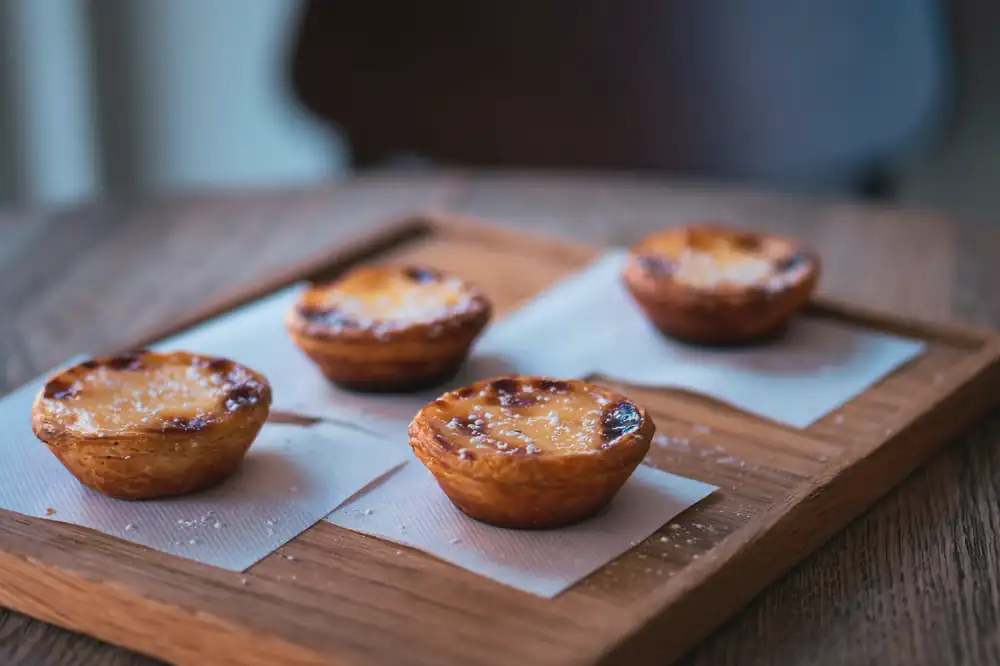
Pastel De Nata
Portugal’s most famous pastry. A flaky pastry shell filled with creamy custard and lightly caramelised on top. Best enjoyed warm with a coffee.
Bacalhau A Bras
One of Portugal’s most beloved cod dishes. Salt cod is mixed with onions, eggs, and thin fried potatoes to create a rich and comforting meal.
Grilled Sardines
A Lisbon classic, particularly during the summer months and the city’s famous June celebrations. Fresh sardines are grilled over charcoal and served simply with bread and salad.
Bifana
A traditional Portuguese sandwich filled with thin slices of marinated pork. Simple, affordable, and popular with locals.
Prego
A steak sandwich typically served in crusty bread with mustard or garlic butter.
Polvo A Lagareiro
Octopus roasted with olive oil, garlic, and potatoes. One of Portugal’s most celebrated seafood dishes.
Arroz De Marisco
A rich seafood rice dish filled with prawns, clams, mussels, and other seafood.
Ameijoas A Bulhao Pato
Clams cooked with garlic, olive oil, coriander, and white wine. A classic Portuguese seafood dish.
Croquetes
Portuguese croquettes filled with meat or seafood and commonly served as snacks or starters.
Queijo Da Serra
One of Portugal’s most famous cheeses, known for its creamy texture and rich flavour.
Chourico
Portuguese cured sausage, often grilled and served as an appetiser.
Traditional Desserts & Pastries
Pastel De Nata
The most famous Portuguese pastry and an essential Lisbon experience. It originated in Belem, Lisbon, in the early 19th century, created by monks at the Jeronimos Monastery. When the monasteries were closed in Portugal, the recipe was sold to what became Pasteis de Belem, which still makes the original version today.
Travesseiro
A puff pastry filled with almond cream, traditionally associated with nearby Sintra but widely available in Lisbon.
Bolo De Arroz
A light Portuguese rice muffin often enjoyed with coffee.
Queijadas
Small sweet cheese tarts found throughout Portugal.
Toucinho Do Ceu
A traditional almond-based dessert dating back centuries.
What To Drink
Portuguese Wine
Portugal produces some of Europe’s most underrated wines. Lisbon restaurants offer excellent opportunities to explore local varieties.
Vinho Verde
A light, refreshing wine from northern Portugal that pairs particularly well with seafood.
Port Wine
Portugal’s most famous fortified wine, traditionally produced in the Douro Valley.
Ginjinha
A sweet cherry liqueur that has become one of Lisbon’s most famous drinks.
Portuguese Coffee
Coffee culture is deeply embedded in Lisbon life, and locals often stop for a quick espresso throughout the day.
Traditional Bakeries & Sweet Shops Worth Knowing
Pasteis De Belem
The most famous pastry shop in Portugal and the birthplace of the original pastel de nata recipe. Operating since 1837, it remains one of Lisbon’s essential food experiences.
Try:
- Pastel de nata
Manteigaria
One of Lisbon’s most respected pastry shops, known for freshly baked custard tarts throughout the day.
Try:
- Fresh pastel de nata
Confeitaria Nacional
A historic Lisbon bakery operating since the 19th century and known for traditional Portuguese pastries and sweets.
Try:
- Traditional Portuguese pastries
- Bolo Rei
Best Areas For Food Lovers
For visitors seeking authentic food experiences in safe, walkable neighbourhoods, these areas offer some of the best dining in Lisbon.
Principe Real
One of Lisbon’s most elegant and pleasant neighbourhoods. Filled with cafes, bakeries, restaurants, and local boutiques.
Best for: Cafes, brunch, pastries, relaxed dining.
Campo De Ourique
A residential district loved by locals and known for its excellent food market, traditional restaurants, and authentic atmosphere.
Best for: Local dining, traditional food, neighbourhood culture.
Chiado
Historic and central, Chiado combines traditional cafes, pastry shops, and classic Lisbon restaurants.
Best for: Historic cafes, pastries, traditional dining.
Estrela
A quieter area popular with residents, offering traditional restaurants, bakeries, and a slower pace.
Best for: Local atmosphere, traditional cuisine.
Belem
Home to some of Lisbon’s most famous food institutions and an essential stop for anyone interested in Portuguese pastries.
Best for: Pastel de nata, traditional sweets, riverside walks.